The Mediterranean diet is more than just a “diet”—it is a lifestyle. For years, doctors and nutritionists across North America and Europe have pointed to the Mediterranean region as a blueprint for longevity, heart health, and mental clarity.
While breakfast gets the “most important meal” title and dinner is often the largest, lunch is the most critical pivot point of your day. A heavy, processed lunch leads to the “afternoon slump,” while a Mediterranean lunch provides sustained energy.
Why Choose Mediterranean Foods for Lunch?
Before we dive into the specific foods, it is important to understand why this styl
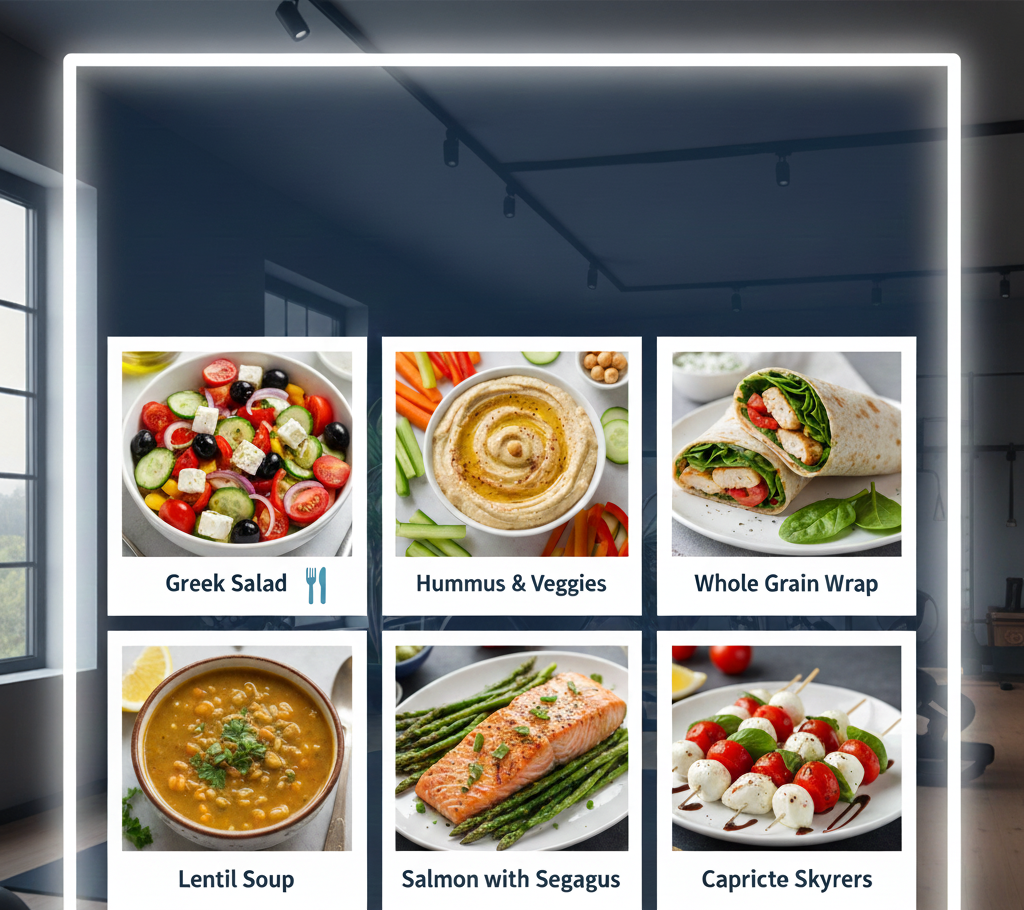
10 Top Mediterranean Foods for Lunch
e of eating works. The Mediterranean diet focuses on:
- Healthy Fats: Primarily monounsaturated fats from olive oil.
- Plant-Based Proteins: Beans, lentils, and nuts.
- Fiber: High intake of vegetables and whole grains.
- Lean Animal Protein: Fish and poultry in moderation.
The Science of the “Slump”
Most Western lunches are high in refined carbohydrates (white bread, sugary drinks). These cause a spike in blood sugar followed by a crash. Mediterranean foods have a Low Glycemic Index (GI), meaning they release energy slowly.
1. Extra Virgin Olive Oil (EVOO): The Liquid Gold
You cannot talk about Mediterranean health without starting with olive oil. It is the primary source of fat in this diet.
- Key Health Benefit: High in oleic acid and antioxidants like oleocanthal, which reduces inflammation.
- How to use it for lunch: Never use store-bought “ranch” or “creamy” dressings. Simply whisk EVOO with lemon juice or balsamic vinegar.
- Step-by-Step Tip: Drizzle it after cooking. High heat can degrade some of the delicate antioxidants. Applying it to your salad or grain bowl at the table ensures you get the full health benefits.
2. Chickpeas (Garbanzo Beans)
Chickpeas are a powerhouse of fiber and plant-based protein. They are affordable, shelf-stable, and incredibly versatile.
- Key Health Benefit: They promote gut health by feeding “good” bacteria and help manage weight by keeping you full longer.
- Lunch Example: Classic Hummus. Blend chickpeas with tahini, garlic, and lemon. Use it as a spread on whole-grain wraps instead of mayonnaise.
- Quick Preparation: If using canned chickpeas, rinse them thoroughly under cold water to reduce the sodium content by up to 40%.
3. Quinoa and Farro (Whole Grains)
While the Mediterranean is famous for pasta, the healthiest versions of the diet focus on ancient whole grains like Farro or the “superfood” Quinoa.
- Key Health Benefit: These grains contain more protein and fiber than white rice or refined wheat.
- The Structure of a Grain Bowl:
- Base: 1 cup of cooked Farro or Quinoa.
- Veggie: Add chopped cucumbers and tomatoes.
- Protein: Add feta cheese or grilled chicken.
- Fats: Add olives or avocado.
4. Leafy Greens (Spinach, Kale, and Arugula)
In the UK and USA, we often think of a salad as a side dish. In the Mediterranean, greens are often the star of the show.
- Key Health Benefit: High in Vitamin K, which is essential for bone health and blood clotting.
- Pro Tip: Massaging kale with a little bit of olive oil and salt for 2 minutes makes it much softer and easier to digest for a quick workday lunch.
5. Fatty Fish (Sardines, Mackerel, and Salmon)
The American Heart Association and the NHS (UK) both recommend eating fish at least twice a week.
- Key Health Benefit: Omega-3 fatty acids. These are essential for brain health and reducing the risk of heart disease.
- The “Tuna” Alternative: Many people eat canned tuna for lunch. Try switching to canned sardines or mackerel. They are lower in mercury and higher in healthy fats.
- Lunch Idea: Smash sardines with lemon and red pepper flakes on top of whole-grain sourdough toast.
6. Greek Yogurt
If you prefer a lighter, “snack-style” lunch, Greek yogurt is the gold standard.
- Key Health Benefit: It contains probiotics (live bacteria) that are vital for immune function.
- Check the Label: Ensure you are buying “Plain” yogurt. “Fruit-on-the-bottom” varieties often contain as much sugar as a soda.
- Savory Lunch Idea: Use Greek yogurt as a base for a savory bowl. Top it with cucumber, dill, and a dash of olive oil.
7. Lentils (The “Heart” of the Diet)
Lentils are perhaps the most underrated food in the Western diet. They are the backbone of Mediterranean soups.
- Key Health Benefit: Extremely high in iron and folate.
- Step-by-Step Soup Strategy:
- Sauté onions, carrots, and celery (the “mirepoix”).
- Add dried red or brown lentils.
- Add vegetable broth and simmer for 20 minutes.
- Finish with a squeeze of fresh lemon to help your body absorb the iron.
8. Walnuts and Almonds
Nuts provide the “crunch” that many people miss when they stop eating processed chips or crackers.
- Key Health Benefit: Walnuts are particularly high in ALA (alpha-linolenic acid), a type of Omega-3.
- Lunch Integration: Don’t just eat them as a snack. Crush them and use them as a “crust” for baked fish or sprinkle them over a salad for added texture.
9. Tomatoes (Cooked and Raw)
Whether in a Greek salad or a tomato-based stew, these are a Mediterranean staple.
- Key Health Benefit: Tomatoes are the richest source of Lycopene, an antioxidant that protects the skin and heart.
- The Secret: Lycopene is “fat-soluble.” This means your body absorbs it much better when you eat tomatoes with a fat, like olive oil or avocado.
10. Garlic and Onions (The Flavor Bases)
In the Mediterranean, flavor comes from herbs and aromatics, not from salt or heavy sauces.
- Key Health Benefit: Garlic contains allicin, which has been shown to boost the immune system and lower blood pressure.
- Cooking Tip: Let chopped garlic sit for 10 minutes before heating it. This “resting” period activates the beneficial enzymes.
Questions and Answers (Q&A)
Q: Is the Mediterranean diet expensive for a family?
A: Actually, no. While “specialty” items like truffles are expensive, the core of the diet—beans, lentils, and seasonal vegetables—are some of the cheapest items in the grocery store. Buying dried beans instead of canned can save you even more.
Q: Can I eat bread on this diet?
A: Yes, but the type of bread matters. Choose 100% whole-grain or sourdough bread. Avoid highly processed white breads that contain added sugars and preservatives.
Q: I live in a cold climate (Canada/Northern UK). How do I eat Mediterranean in winter?
A: Focus on roasted root vegetables (carrots, beets), hearty lentil stews, and frozen vegetables. Frozen spinach and broccoli retain almost all their nutrients and are perfect for Mediterranean cooking.22
Key Highlights to Remember
| Food Category | Top Pick | Main Benefit |
| Healthy Fat | Extra Virgin Olive Oil | Lowers Inflammation |
| Protein | Chickpeas / Fish | Heart Health & Satiety |
| Grains | Farro / Quinoa | Sustained Energy |
| Flavor | Garlic / Lemon | Immune Support |

1 comment
[…] metric. For most people, a simple fitness tracker is the perfect solution. It provides the essential information, motivates consistent activity, and […]