As we age, many of us worry about memory loss, slow thinking, and mental fatigue. The good news? You don’t need expensive supplements or complicated routines to protect your brain. One powerful and proven solution is regular exercise. The right type of physical activity can help keep your brain younger, sharper, and healthier for years to come.
In this article, we’ll explore how exercise benefits brain health, which type of exercise works best, and how you can easily add it to your daily routine.
Introduction
Are you worried about memory loss, lack of focus, or mental fatigue? You’re not alone. As we age, brain health becomes a top priority—but there’s good news: you can naturally slow down brain aging and boost cognitive function with the right type of exercise.
Regular physical activity not only strengthens your body, but also rejuvenates your mind. Research shows that consistent exercise improves memory, concentration, mood, and overall brain function.
In this article, we’ll explore the best exercises for a healthier brain, why they work, and how you can include them in your daily routine.
How Exercise Supports Brain Health
Exercise benefits the brain in several powerful ways:
1. Increases Blood Flow
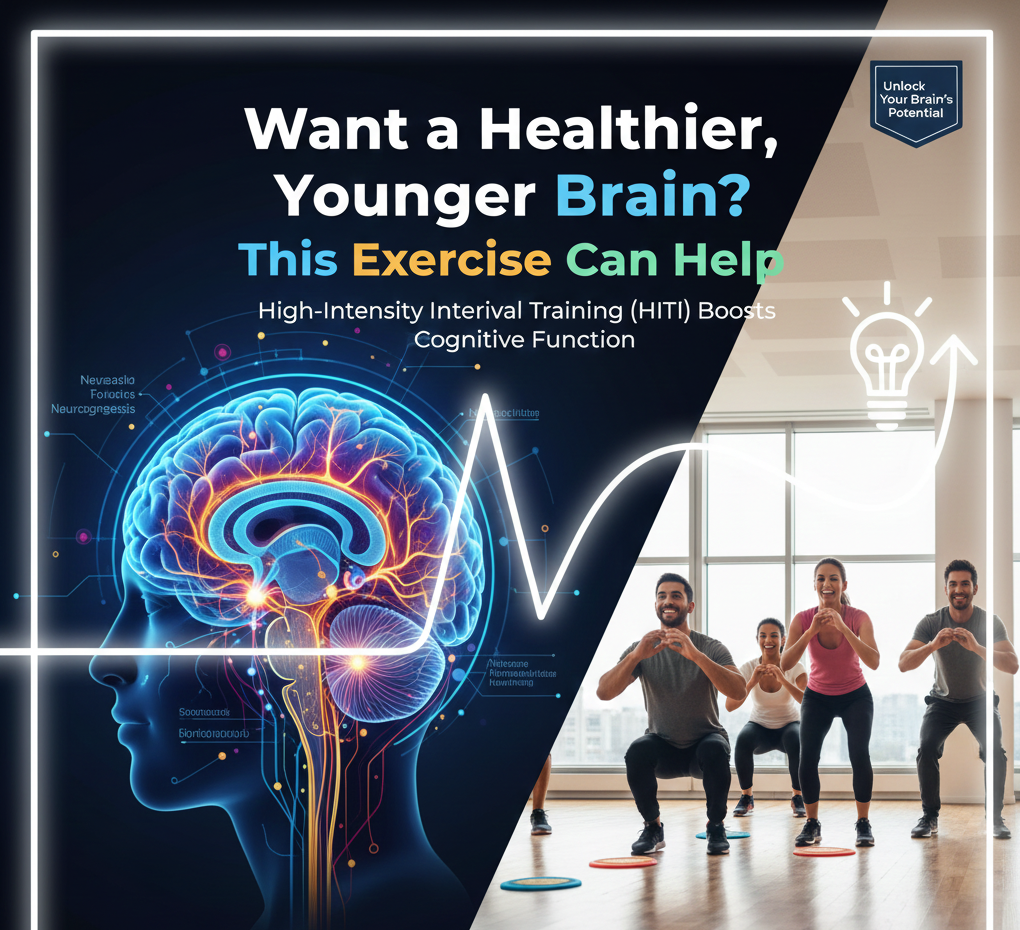
Physical activity raises your heart rate, pumping more oxygen and nutrients to brain cells, which improves mental clarity and focus.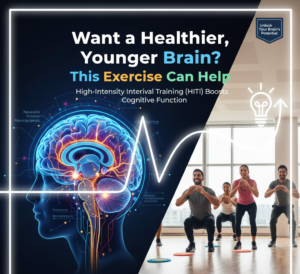
2. Promotes Neurogenesis
Exercise stimulates the growth of new brain cells, especially in the hippocampus—the center of learning and memory.
3. Boosts Brain Chemicals
Movement increases dopamine, serotonin, and endorphins, which enhance mood, reduce stress, and improve mental sharpness.
4. Reduces Inflammation
Chronic inflammation can harm brain cells. Regular exercise lowers stress hormones like cortisol, protecting your brain over time.
Best Exercises for a Younger Brain
Aerobic Exercise
Aerobic workouts are the most effective for brain health because they increase cardiovascular fitness, which directly supports cognitive function.
Examples:
- Brisk walking
- Jogging or running
- Cycling
- Swimming
- Dancing
- Hiking
Benefits:
- Improves memory retention
- Enhances focus and attention
- Boosts learning ability
- Increases brain-derived neurotrophic factor (BDNF), vital for brain growth
Strength & Resistance Training
Strength training isn’t just for muscles—it’s excellent for the brain too.
Examples:
- Bodyweight exercises (push-ups, squats, lunges)
- Weightlifting
- Resistance band workouts
Benefits:
- Improves executive function
- Enhances problem-solving skills
- Reduces anxiety and depression
Exercise & Memory Improvement
Memory decline is one of the most common concerns with aging. Exercise directly combats this by:
- Strengthening the hippocampus
- Enhancing short-term and long-term memory
- Slowing cognitive decline
- Reducing risk of Alzheimer’s and dementia
Mental Health Benefits
Physical activity also supports emotional balance:
- Reduces stress and anxiety
- Improves sleep quality
- Boosts confidence and mood
- Enhances overall mental resilience
Pro Tip: Pair your workouts with mindfulness practices, like deep breathing or meditation, for even greater brain benefits.
How Much Exercise Do You Need?
You don’t need to be a gym enthusiast to benefit your brain. Experts recommend:
- Moderate aerobic exercise: 30 minutes, 5 days a week
- Vigorous exercise: 20 minutes, 3 days a week
Even light activities, such as a daily walk or dancing at home, help maintain brain health over time.
Exercise Tips for All Ages
20s–30s: Build strong exercise habits, focus on cardio and strength.
40s–50s: Prioritize brain protection, manage stress, maintain memory.
60s+: Focus on balance, walking, flexibility, and gentle strength training.
Remember: It’s never too late to start. Your brain responds positively to exercise at any age.
Lifestyle Habits to Enhance Exercise Benefits
Combine exercise with:
- Balanced diet rich in antioxidants, omega-3s, and vitamins
- Proper sleep (7–9 hours per night)
- Social engagement and mental stimulation
- Stress management techniques like yoga or journaling
This holistic approach maximizes brain health and slows cognitive decline.
Common Myths
- Only intense workouts help – Truth: Moderate, consistent exercise works best.
- It’s too late to start – Truth: Brain function improves at any age with exercise.
- Mental games are enough – Truth: Physical activity has a stronger overall effect.
Conclusion
If you want a younger, sharper, and healthier brain, regular exercise is your best ally. Aerobic workouts, strength training, and even short daily movements can significantly improve memory, focus, mood, and overall cognitive health.
Start small, stay consistent, and combine exercise with a healthy lifestyle. Your brain will thank you now—and in the years to come.
Take action today: Walk, run, lift, dance—whatever keeps you moving. The key to a younger brain is simple: keep your body active, and your mind will follow.
Mega FAQ: Brain Health & Exercise
1️⃣ How does exercise improve brain function?
Exercise increases blood flow, delivers oxygen and nutrients to neurons, promotes neurogenesis (growth of new brain cells), and boosts neurotransmitters like dopamine and serotonin, enhancing focus, memory, and mood.
2️⃣ Which exercises are best for brain health?
Aerobic exercises like walking, jogging, swimming, cycling, and dancing are most effective. Strength training, yoga, and balance exercises also support cognition and emotional health.
3️⃣ How much exercise is needed for cognitive benefits?
- Moderate aerobic activity: 30 min/day, 5 days/week
- Vigorous activity: 20 min/day, 3 days/week
Consistency is more important than intensity.
4️⃣ Can strength training improve memory?
Yes! Strength training enhances executive function, memory retention, and problem-solving skills while reducing anxiety and depression.
5️⃣ How does aerobic exercise affect the brain?
Aerobic workouts increase cardiovascular fitness, stimulate BDNF (brain-derived neurotrophic factor), improve neuroplasticity, and support long-term brain health.
6️⃣ Can exercise prevent Alzheimer’s and dementia?
Regular physical activity strengthens the hippocampus, slows cognitive decline, and reduces the risk of memory-related disorders.
7️⃣ Is it too late to start exercising for the brain?
No! The brain responds positively to exercise at any age, and even older adults can benefit from regular movement.
8️⃣ Does exercise improve focus and attention?
Yes, it enhances concentration, decision-making, and learning ability by increasing blood flow and brain chemical balance.
9️⃣ Can short daily walks help the brain?
Absolutely! Even light activity like walking or stretching improves circulation, reduces stress, and supports cognitive function over time.
🔟 How does exercise reduce stress?
Exercise lowers cortisol levels, increases endorphins, and improves mood, reducing stress and anxiety, which protects brain health.
1️⃣1️⃣ Are yoga and meditation good for the brain?
Yes. Yoga and meditation enhance focus, reduce stress, improve emotional stability, and complement physical exercise for optimal brain health.
1️⃣2️⃣ Does age affect exercise benefits?
Exercise benefits the brain at all ages. Younger people can build strong habits, middle-aged adults protect memory, and seniors improve balance, flexibility, and cognitive function.
1️⃣3️⃣ Can dancing improve mental health?
Dancing combines aerobic activity with coordination, balance, and social interaction, enhancing mood, memory, and cognitive flexibility.
1️⃣4️⃣ What role does diet play in brain health?
A balanced diet rich in antioxidants, omega-3 fatty acids, vitamins, and minerals complements exercise by reducing inflammation and supporting neuronal growth.
1️⃣5️⃣ How does sleep interact with exercise for brain health?
Exercise improves sleep quality, and quality sleep is essential for memory consolidation, learning, and cognitive recovery.
1️⃣6️⃣ Can exercise help with depression?
Yes. Exercise increases serotonin and endorphins, reducing symptoms of depression while improving focus and emotional resilience.
1️⃣7️⃣ Does cycling improve brain function?
Cycling is an aerobic exercise that boosts cardiovascular health, stimulates neurogenesis, improves mood, and enhances memory and attention.
1️⃣8️⃣ Is walking sufficient for brain health?
Yes, brisk walking for 30–60 minutes daily improves circulation, memory, and mood. Combining it with strength or balance exercises is ideal.
1️⃣9️⃣ How quickly can exercise improve cognitive function?
Benefits vary, but consistent aerobic or strength training for 4–8 weeks can improve focus, memory, and mood.
2️⃣0️⃣ Can exercise reverse age-related cognitive decline?
Regular exercise can slow or partially reverse age-related decline by improving neuroplasticity, brain cell growth, and blood flow.
2️⃣1️⃣ Are high-intensity workouts better for the brain?
Not necessarily. Moderate, consistent exercise is most effective. High-intensity workouts help cardiovascular health but must be balanced with recovery.
2️⃣2️⃣ How does exercise affect anxiety?
Physical activity reduces stress hormones, increases endorphins, and improves mood regulation, which helps manage anxiety naturally.
2️⃣3️⃣ Can resistance band exercises improve brain health?
Yes, resistance training with bands enhances coordination, strength, executive function, and overall cognitive performance.
2️⃣4️⃣ Does swimming benefit the brain?
Swimming is a full-body aerobic exercise that improves circulation, reduces stress, boosts memory, and enhances cognitive flexibility.
2️⃣5️⃣ How does exercise improve learning ability?
Exercise increases BDNF, which supports neuron growth, enhances neuroplasticity, and improves the brain’s capacity to absorb and retain new information.
2️⃣6️⃣ Can exercising in nature boost brain function more than indoors?
Yes, outdoor exercise provides additional benefits like reduced stress, increased vitamin D, and mental rejuvenation, enhancing cognitive performance.
2️⃣7️⃣ Are short workouts effective for mental health?
Even 10–15 minutes of daily movement improves mood, alertness, and focus. Small, consistent sessions are better than infrequent long workouts.
2️⃣8️⃣ How does aerobic exercise differ from strength training for the brain?
- Aerobic: Improves blood flow, memory, learning, and focus
- Strength: Improves problem-solving, executive function, mood, and resilience
Combining both gives optimal brain benefits.
2️⃣9️⃣ Can group exercise improve cognitive and emotional health?
Yes, group workouts provide social interaction, motivation, and emotional support, enhancing brain health and mental well-being.
3️⃣0️⃣ How can someone start an exercise routine for brain health?
- Begin with light aerobic activity (walking, cycling)
- Include 2–3 strength training sessions weekly
- Stretch daily and focus on consistency
- Pair exercise with healthy diet, sleep, and mental stimulation
3️⃣1️⃣ Can elderly people benefit from exercise?
Absolutely. Even light walking, resistance exercises, balance routines, or yoga can significantly improve memory, focus, and overall cognitive health.
3️⃣2️⃣ Does exercise improve multitasking ability?
Yes. Exercise strengthens executive functions, which include multitasking, decision-making, and planning skills.
3️⃣3️⃣ Can short sprints or interval training help the brain?
Yes, high-intensity interval training (HIIT) can improve circulation, BDNF levels, and cognitive function when done safely.
3️⃣4️⃣ Can exercise improve emotional intelligence?
Regular physical activity enhances self-awareness, mood regulation, and stress management, which contributes to emotional intelligence.
3️⃣5️⃣ How do aerobic and strength exercises work together?
Aerobic exercise improves blood flow and memory; strength training improves executive function and resilience. Combining them maximizes brain health benefits.
3️⃣6️⃣ Can exercise reduce the risk of neurodegenerative diseases?
Yes. Studies show regular exercise reduces the risk of Alzheimer’s, Parkinson’s, and dementia by protecting neurons and supporting cognitive function.
3️⃣7️⃣ Are there exercises specifically for memory improvement?
Any activity that combines aerobic movement with coordination (like dancing, swimming, or martial arts) is excellent for memory.
3️⃣8️⃣ How important is consistency in brain-healthy exercise?
Consistency is critical. Daily or frequent activity—even short sessions—provides more brain benefits than occasional intense workouts.
3️⃣9️⃣ Can stretching or yoga alone improve brain function?
Yes, yoga and stretching reduce stress, improve blood flow, and support focus, though combining with aerobic and strength exercises is more effective.
4️⃣0️⃣ What lifestyle factors enhance exercise benefits for the brain?
- Balanced diet (omega-3, antioxidants)
- Quality sleep
- Social engagement
- Mental stimulation (reading, puzzles)
- Stress reduction (meditation, breathing exercises)

1 comment
[…] why does menopause affect everyone, regardless of fitness level? And more importantly, how can physically active women navigate menopause with strength, confidence, and […]