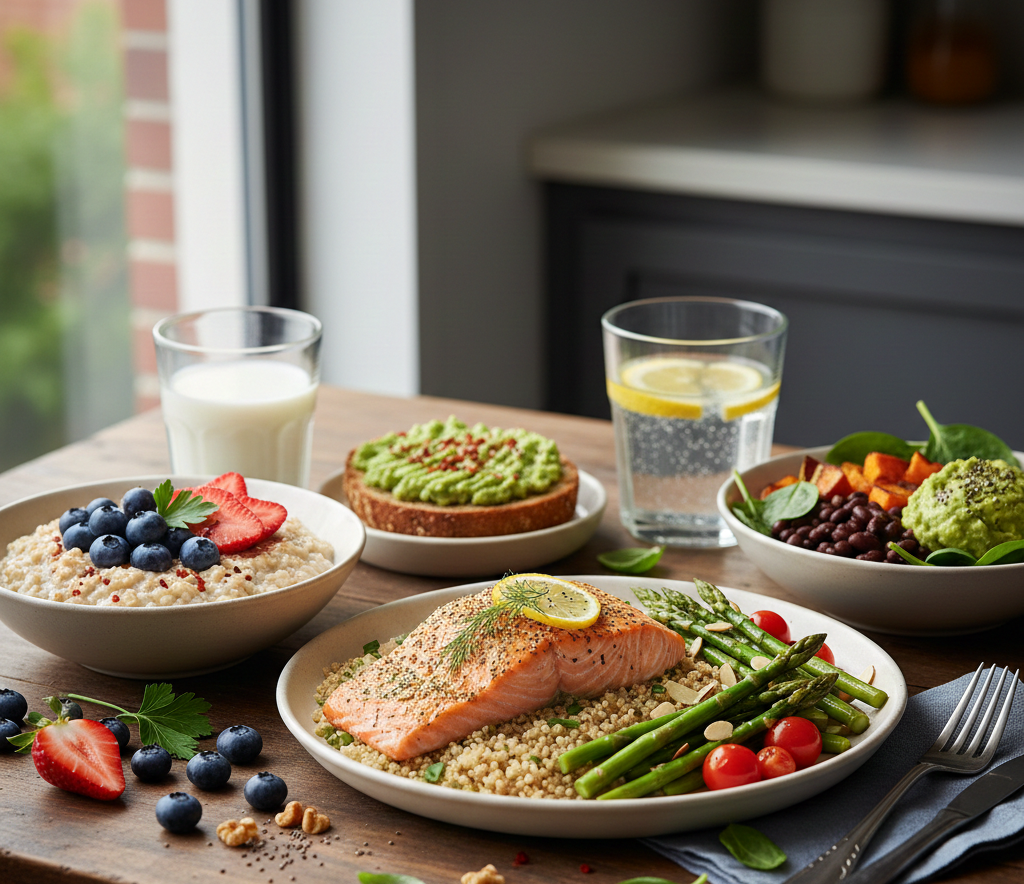
 The DASH Diet is one of the healthiest eating plans recommended by doctors and nutrition experts worldwide. DASH stands for Dietary Approaches to Stop Hypertension. This diet is specially designed to reduce high blood pressure, improve heart health, and promote overall wellness without extreme food restrictions.
The Ultimate Guide to the DASH Diet: Master Your Heart Health
The DASH diet (Dietary Approaches to Stop Hypertension) isn’t just a “diet”—it’s a clinically proven nutritional framework designed to lower blood pressure without medication. Consistently ranked as one of the healthiest eating patterns by U.S. News & World Report, it focuses on what you should eat rather than just what you should avoid.
1. What is the DASH Diet?
The DASH diet was born from studies sponsored by the National Institutes of Health (NIH). Researchers found that specific mineral combinations—potassium, calcium, and magnesium—work synergistically to relax blood vessels and flush excess sodium from the body.
The Core Philosophy
-
Emphasis: Fruits, vegetables, whole grains, and lean proteins.
-
Restriction: Saturated fats, red meats, added sugars, and high-sodium processed foods.
-
The Goal: Achieving a significant reduction in Systolic Blood Pressure (SBP) and Diastolic Blood Pressure (DBP).
2. The Science of Sodium and the “DASH Effect”
Most people consume over 3,400 mg of sodium daily. The DASH diet offers two levels of sodium restriction:
-
Standard DASH: Up to 2,300 mg per day.
-
Lower-Sodium DASH: Up to 1,500 mg per day (the “gold standard” for hypertension).
Why it Works: The Sodium-Potassium Pump
The diet optimizes your intracellular mineral balance. High potassium intake helps the kidneys excrete sodium, while magnesium helps blood vessel walls relax, preventing the “tightening” that causes high blood pressure.
3. The DASH Daily Servings Checklist
To follow the DASH protocol, aim for these daily servings based on a 2,000-calorie intake:
| Food Group | Daily Servings | Examples |
| Whole Grains | 6–8 | Brown rice, quinoa, whole-wheat bread |
| Vegetables | 4–5 | Spinach, broccoli, carrots, sweet potatoes |
| Fruits | 4–5 | Apples, bananas, berries, citrus |
| Low-fat Dairy | 2–3 | Greek yogurt, skim milk, cottage cheese |
| Lean Protein | 6 or less (Oz) | Skinless poultry, fish, egg whites |
| Nuts & Legumes | 4–5 (per week) | Almonds, lentils, kidney beans |
| Fats & Oils | 2–3 | Olive oil, avocado, light mayo |
When discussing DASH in 2026, we look at more than just salt:
-
Bioavailability: Choosing foods where minerals are easily absorbed.
-
Phytochemicals: Plant-based compounds in DASH foods that reduce arterial inflammation.
-
Glycemic Load: DASH naturally emphasizes low-glycemic foods to prevent insulin spikes, which are linked to heart disease.
5. Practical Strategies for Implementation
Mastering the Grocery Store
-
Shop the Perimeter: Most DASH-friendly foods (produce, lean meats) are on the outside aisles.
-
The “5% Rule” for Labels: When reading nutrition labels, 5% Daily Value (DV) of sodium is considered low, while 20% or more is high.
-
Frozen is Fine: Frozen vegetables are often just as nutrient-dense as fresh, provided they have no added sauces or salts.
Flavor Without Salt
Transitioning to low-sodium can be difficult for the taste buds. Use acid and aromatics:
-
Lemon/Lime Juice: Provides a “bite” that mimics salt.
-
Vinegars: Balsamic or Apple Cider vinegar adds depth.
-
Fresh Herbs: Cilantro, basil, and rosemary provide intense flavor profiles.
6. Long-term Benefits Beyond Blood Pressure
While hypertension is the primary target, the DASH diet is a “whole-body” intervention:
-
Weight Management: High fiber content increases satiety.
-
Reduced Stroke Risk: Improved arterial flexibility.
-
Kidney Health: By managing BP, you reduce the strain on the renal system.
7. Sample 1-Day DASH Menu
-
Breakfast: Oatmeal topped with blueberries and walnuts; a glass of low-fat milk.
-
Lunch: Quinoa salad with chickpeas, diced cucumbers, tomatoes, and lemon-tahini dressing.
-
Snack: An apple with a small handful of unsalted almonds.
-
Dinner: Baked salmon with a side of steamed asparagus and a small sweet potato.
-
Dessert: A bowl of fresh raspberries.
-
What Is the DASH Diet?
-
The DASH diet, which stands for Dietary Approaches to Stop Hypertension, is a clinically proven eating pattern specifically designed to combat high blood pressure and promote long-term heart health. Unlike fad diets that focus on extreme restriction, DASH is a flexible, balanced framework backed by the National Institutes of Health. It operates on the physiological principle that specific minerals—namely potassium, calcium, and magnesium—work together to help the body excrete excess sodium and relax blood vessel walls. By optimizing this sodium-to-potassium ratio, the diet can significantly reduce both systolic and diastolic blood pressure, often in as little as two weeks.
The core of the DASH plan emphasizes the consumption of whole grains, fruits, vegetables, and low-fat dairy. It prioritizes lean proteins like poultry and fish while encouraging the intake of legumes and nuts, which provide essential healthy fats and fiber. To achieve the “DASH effect,” followers are encouraged to limit foods high in saturated fat and added sugars, such as fatty meats and sweetened beverages. Sodium intake is a primary focus; while a standard DASH plan allows for 2,300 mg of sodium daily, a more rigorous version limits intake to 1,500 mg for maximum cardiovascular benefit.
Adopting this lifestyle involves subtle but impactful shifts, such as replacing salt with aromatic herbs and choosing “bioavailable” nutrient sources over processed supplements. Beyond just managing hypertension, the diet’s high fiber and low glycemic load support healthy weight management and reduce the risk of stroke and Type 2 diabetes. By focusing on nutrient density and whole-food sources, the DASH diet serves as a sustainable roadmap for anyone looking to improve their arterial health and overall longevity through the power of evidence-based nutrition.
-
How the DASH Diet Works
-
The DASH (Dietary Approaches to Stop Hypertension) diet works through a synergistic combination of sodium reduction and mineral optimization. While most diets focus solely on what to remove, DASH emphasizes adding key nutrients—specifically potassium, calcium, and magnesium—that actively manage how your cardiovascular system functions.
The Mineral Triple Threat
The effectiveness of the diet lies in its ability to influence the “sodium-potassium pump” within your cells.
-
Potassium: High intake of potassium (found in fruits and vegetables) prompts the kidneys to excrete more sodium through urine, preventing fluid retention that spikes blood pressure.
-
Magnesium: Found in whole grains and nuts, magnesium acts as a natural calcium channel blocker, helping blood vessel walls relax rather than constrict.
-
Calcium: Sourced from low-fat dairy, calcium supports vascular reactivity, ensuring that blood vessels can expand and contract efficiently.
Structural Changes to Blood Flow
Beyond immediate mineral balance, the DASH diet improves endothelial function—the health of the inner lining of your blood vessels. By reducing the intake of saturated fats and added sugars, the diet lowers systemic inflammation and oxidative stress. This prevents the “stiffening” of the arteries (atherosclerosis), allowing for smoother blood flow and lower resistance.
When you combine this nutrient density with a sodium limit of 1,500mg to 2,300mg, the result is a significant decrease in blood volume and arterial pressure, often observable within just two weeks.
Key Principles of the DASH Diet
-
When we talk about the key principles of the DASH diet in “human language,” it boils down to one simple idea: moving away from the “salt shaker and processed snacks” lifestyle and toward a way of eating that naturally helps your body relax and heal.
Instead of a list of “don’ts,” think of DASH as a strategy to flood your system with the “Big Three” minerals: Potassium, Magnesium, and Calcium.
1 The “Big Three” Mineral Strategy
Most of us focus on cutting salt, but DASH works because of what you add. These minerals act like a natural spa treatment for your blood vessels:
-
Potassium (Bananas, potatoes, spinach): Tells your kidneys to dump extra salt so you don’t hold onto water.
-
Magnesium (Nuts, seeds, beans): Helps the muscles around your arteries relax so blood can flow without working so hard.
-
Calcium (Low-fat yogurt, leafy greens): Keeps the “communication” between your heart and vessels smooth.
2. The “Real Food” First Rule
DASH isn’t about buying expensive supplements. The principle is that these nutrients work better when they come from whole foods.
-
Instead of white bread, you choose whole grains (fiber keeps you full).
-
Instead of a steak focus, you treat meat like a side dish and make beans or fish the star.
-
Instead of soda, you grab low-fat milk or water with a squeeze of citrus.
3. The Salt Threshold
In human terms: stop the “hidden” salt. Most of our salt doesn’t come from the shaker; it comes from cans, boxes, and restaurant kitchens. The principle here is to aim for about one teaspoon of salt ($2,300$ mg) for the whole day. If you’re really serious about lowering that blood pressure, you try to get it down to about three-quarters of a teaspoon ($1,500$ mg).
4. Progress, Not Perfection
The final principle of DASH is that it’s a lifestyle, not a sprint. It encourages “crowding out” the bad stuff. If you usually have one vegetable a day, try for two. If you ne
To follow the DASH diet effectively, your shopping list should focus on whole foods that are naturally high in potassium, magnesium, and calcium.
Below is a comprehensive food list categorized by food group, including “DASH-friendly” snacks and a “Limit/Avoid” checklist.
1. Fruits & Vegetables (4–5 servings of each daily)
Focus on fresh or frozen. If buying canned, look for “No Salt Added” or “Packed in 100% Juice.”
-
Leafy Greens: Spinach, kale, Swiss chard, collard greens.
-
Cruciferous: Broccoli, cauliflower, Brussels sprouts.
-
Root & Other Veggies: Carrots, sweet potatoes, bell peppers, tomatoes, cucumbers, squash.
-
High-Potassium Fruits: Bananas, oranges, apricots, melons (cantaloupe/honeydew).
-
Antioxidant-Rich: Blueberries, strawberries, raspberries, grapes, apples.
2. Whole Grains (6–8 servings daily)
Look for “100% Whole Grain” on the label to ensure high fiber content.
-
Basics: Oatmeal (old-fashioned or steel-cut), brown rice, quinoa, barley.
-
Breads/Pasta: 100% whole-wheat bread, whole-grain pasta, whole-wheat couscous.
-
Snacks: Air-popped popcorn (unsalted), whole-grain crackers.
3. Lean Protein & Dairy (6 servings or less meat; 2–3 dairy)
Keep meat servings small—about the size of a deck of cards ($3$ oz).
-
Fish: Salmon, tuna, cod, trout (rich in Omega-3s).
-
Poultry: Skinless chicken or turkey breast.
-
Dairy: Fat-free (skim) or 1% milk, low-fat Greek yogurt, low-fat cottage cheese.
-
Plant Protein: Tofu, tempeh, egg whites.
4. Nuts, Seeds & Legumes (4–5 servings per week)
These are calorie-dense, so stick to small portions (1/3 cup nuts or 1/2 cup beans).
-
Nuts: Almonds, walnuts, pistachios (always unsalted).
-
Seeds: Chia seeds, flaxseeds, pumpkin seeds, sunflower seeds.
-
Legumes: Lentils, chickpeas (garbanzo beans), black beans, kidney beans.
5. Healthy Fats & Oils (2–3 servings daily)
-
Oils: Olive oil, avocado oil, canola oil.
-
Spreads: Avocado, low-fat mayonnaise, light salad dressings.
The “DASH-Approved” Snack List
If you get hungry between meals, these “Human Language” snacks fit the plan:
-
The Crunch: Sliced cucumbers or bell peppers dipped in low-sodium hummus.
-
The Sweet: A small bowl of Greek yogurt topped with fresh berries and a sprinkle of cinnamon.
-
The Energy: An apple with one tablespoon of unsalted natural peanut butter.
-
The Quick Fix: A handful of unsalted almonds and a few dried apricots.
🛑 What to Limit or Avoid
To keep your sodium below the $2,300$ mg (or $1,500$ mg) threshold, steer clear of:
-
Processed Meats: Deli ham, bacon, sausage, pepperoni, and jerky.
-
“Hidden Salt” Foods: Canned soups, frozen dinners, and jarred pasta sauces.
-
Condiments: Soy sauce, teriyaki, and most bottled BBQ sauces (look for low-sodium versions).
-
Sugary Treats: Soda, energy drinks, candy, and heavy pastries.
-
Tropical Oils: Coconut and palm oils (high in saturated fever eat fruit, add an apple as a snack. It’s designed to be a permanent way of eating that you actually enjoy, rather than a miserable three-week challenge.
Health Benefits of the DASH Diet
The DASH diet is widely considered the gold standard for cardiovascular health, but its benefits extend far beyond just the numbers on a blood pressure cuff. By shifting the body’s internal chemistry, this eating plan acts as a multi-system intervention for overall longevity.
1. Rapid Hypertension Control
The primary benefit is a significant reduction in Systolic and Diastolic Blood Pressure. Studies show that DASH can lower blood pressure by up to 11 mmHg in as little as two weeks. It achieves this by balancing electrolytes—using potassium to flush out excess sodium and magnesium to relax the arterial walls.
2. Cardiovascular Protection
Beyond blood pressure, the DASH diet is a powerhouse for heart health:
-
Cholesterol Management: It effectively lowers LDL (bad) cholesterol and total cholesterol levels, reducing the buildup of plaque in your arteries.
-
Heart Failure & Stroke: Long-term adherence is linked to a 24% lower risk of heart disease and an 18% lower risk of stroke. Recent 2025 research also highlights its ability to reduce biomarkers of subclinical cardiac injury and systemic inflammation.
3. Diabetes and Metabolic Health
The DASH diet is increasingly used to manage and prevent Type 2 Diabetes:
-
Blood Sugar Stability: A modified version (DASH4D) has been shown to keep blood glucose within the recommended range for an extra 75 to 180 minutes per day.
-
Insulin Sensitivity: The high fiber and low glycemic load help the body use insulin more effectively, reducing the risk of metabolic syndrome.
4. Kidney and Weight Support
-
Renal Health: By controlling hypertension—the second leading cause of kidney failure—DASH protects your kidneys. High adherence is associated with a 16-22% lower risk of developing chronic kidney disease.
-
Sustainable Weight Loss: Because the diet emphasizes high-satiety foods like fiber-rich vegetables and lean proteins, many people find it easier to maintain a healthy weight without feeling “starved.”
5. Emerging Benefits (2026 Research)
Newer evidence suggests the DASH diet may also play a role in:
-
Cognitive Health: Some studies indicate that certain DASH components, like nuts and whole grains, are associated with better cognitive performance in older adults.
-
Cancer Prevention: There is growing evidence that the diet’s high antioxidant content may lower the risk of colorectal and breast cancers.
-
DASH Diet Meal Plan
This 7-day meal plan is designed to be low-sodium ($<2,300$ mg) and high in the “Big Three” minerals (potassium, magnesium, and calcium). It focuses on whole foods that are easy to prep.
Day 1: The Kickstart
-
Breakfast: Oatmeal (1 cup) topped with 1/2 cup blueberries, 1 tbsp walnuts, and a splash of skim milk.
-
Lunch: Mediterranean Tuna Salad (canned tuna in water, diced cucumbers, tomatoes, 1 tsp olive oil, and lemon juice) served on a bed of spinach with a whole-grain pita.
-
Dinner: Baked Chicken Breast (3 oz) with a medium sweet potato and steamed broccoli.
-
Snack: 1 medium orange.
Day 2: Plant-Power Focus
-
Breakfast: Low-fat Greek yogurt (1 cup) with sliced strawberries and 1 tbsp ground flaxseeds.
-
Lunch: Lentil Soup (low-sodium) with a side garden salad (vinegar and oil dressing).
-
Dinner: Tofu or Chicken Stir-fry with bell peppers, snap peas, and carrots over brown rice. Use ginger and garlic instead of soy sauce for flavor.
-
Snack: 1/4 cup unsalted sunflower seeds.
Day 3: Heart-Healthy Omega-3s
-
Breakfast: 2 Egg whites scrambled with spinach and tomatoes; 1 slice of 100% whole-wheat toast.
-
Lunch: Quinoa bowl with black beans, corn, avocado, and salsa (check label for low sodium).
-
Dinner: Roasted Salmon (3 oz) with lemon and dill, served with 1/2 cup quinoa and roasted asparagus.
-
Snack: 1 medium apple with 1 tbsp unsalted almond butter.
Day 4: Easy & Energizing
-
Breakfast: Smoothie made with 1 banana, 1 cup kale/spinach, 1 cup frozen berries, and 1 cup skim milk.
-
Lunch: Leftover Roasted Salmon flaked into a large green salad with chickpeas and balsamic vinaigrette.
-
Dinner: Whole-wheat pasta with marinara sauce (no-salt-added), loaded with sautéed zucchini and mushrooms.
-
Snack: 1/2 cup low-fat cottage cheese with pineapple chunks.
Day 5: Fiber-Full Friday
-
Breakfast: Whole-grain cereal (low-sugar) with skim milk and 1/2 sliced banana.
-
Lunch: Turkey wrap using a whole-wheat tortilla, 2 slices of lean turkey, lots of sprouts, tomato, and avocado.
-
Dinner: Lean Beef or Turkey Chili (made with low-sodium beans and plenty of peppers/onions).
-
Snack: 3 cups air-popped popcorn (no salt/butter; try nutritional yeast for a cheesy flavor).
Day 6: Refresh & Reset
-
Breakfast: Buckwheat pancakes topped with fresh raspberries and a small dollop of yogurt.
-
Lunch: Hummus and Veggie Plate (carrots, celery, cucumbers, bell peppers) with a side of grapes.
-
Dinner: Baked Cod or Tilapia with a small baked potato (eat the skin!) and a side of sautéed kale.
-
Snack: 1 pear.
Day 7: Sunday Prep Day
-
Breakfast: Veggie Omelet (1 whole egg, 2 whites) with onions and peppers; 1/2 grapefruit on the side.
-
Lunch: Roasted vegetable salad (leftover broccoli, peppers, onions) mixed with farro or barley and a lemon-tahini dressing.
-
Dinner: Grilled Chicken Kebabs with onions, tomatoes, and zucchini; served with 1/2 cup brown rice.
-
Snack: A small handful of unsalted walnuts.
-
Breakfast Ideas for the DASH Diet
-
When planning a DASH-compliant breakfast, the goal is to pack in fiber and minerals early in the day while keeping sodium to a minimum. Since many traditional breakfast foods (like bread, cereal, and bacon) are hidden sodium traps, shifting toward whole grains and fresh produce is key.
Here are several breakfast ideas categorized by “style”:
1. The Fiber-Focus (Whole Grains)
-
Steel-Cut Oatmeal: Cook with water or skim milk. Top with fresh berries, a dash of cinnamon, and a tablespoon of ground flaxseeds or walnuts for healthy fats.
-
Quinoa Breakfast Bowl: Quinoa isn’t just for dinner. Serve it warm with sliced bananas, a splash of almond milk, and a drizzle of honey.
-
Overnight Oats: Mix rolled oats with low-fat Greek yogurt and chia seeds. Let it sit overnight and top with sliced peaches or mango in the morning.
2. The Protein-Packed (Eggs & Dairy)
-
Garden Scramble: Use one whole egg and two egg whites. Sauté with plenty of spinach, tomatoes, and onions. Avoid salt; use black pepper or red pepper flakes for heat.
-
Greek Yogurt Parfait: Layer plain, non-fat Greek yogurt with unsalted almonds and fresh raspberries. Avoid pre-sweetened yogurts, which are high in added sugars.
-
Cottage Cheese & Fruit: 1/2 cup of low-fat cottage cheese paired with cantaloupe or pineapple. (Note: Cottage cheese can be high in sodium, so look for “No Salt Added” versions).
3. Quick & On-the-Go
-
Potassium Smoothie: Blend 1 cup of skim milk (or soy milk), one frozen banana, a handful of kale, and a tablespoon of unsalted peanut butter.
-
Avocado Toast: Use one slice of toasted 100% whole-grain bread. Top with mashed avocado, a squeeze of lemon juice, and sliced radishes or sprouts.
-
Nut Butter Apple: Large apple slices spread with almond or peanut butter and a sprinkle of hemp hearts.
4. Savory Options
-
Breakfast Burrito: A small whole-wheat tortilla filled with black beans (rinsed), scrambled egg whites, and fresh salsa.
-
Sweet Potato Hash: Small cubes of sweet potato sautéed with bell peppers and kale until tender.
-
DASH Diet Lunch Ideas
Lunches should be satisfying enough to prevent mid-afternoon energy crashes. Focus on portable, “assembly-style” meals that use leftovers or quick-prep ingredients.
-
The Power Bowl: A base of quinoa or brown rice topped with black beans (rinsed), roasted sweet potatoes, fresh spinach, and a dollop of guacamole.
-
Mediterranean Tuna Pita: Canned tuna (in water) mixed with Greek yogurt, lemon juice, and diced cucumbers stuffed into a 100% whole-wheat pita with romaine lettuce.
-
Stuffed Bell Peppers: Large red or yellow peppers filled with a mixture of cooked couscous, chickpeas, diced apricots, and a squeeze of lime.
-
Chicken & Cucumber Lettuce Wraps: Sliced grilled chicken breast wrapped in large Bibb lettuce leaves with shredded carrots and a drizzle of low-sodium peanut sauce.
-
Turkey & Swiss Sandwich: Two slices of whole-grain bread, 3 oz of low-sodium turkey, a slice of low-sodium Swiss cheese, and thick slices of tomato and onion.
DASH Diet Dinner Ideas
Dinner is the perfect time to experiment with herbs and spices to replace the salt shaker. Aim for lean proteins like fish, poultry, or plant-based options like tofu.
-
Herb-Crusted Baked Cod: A cod or tilapia fillet brushed with olive oil and coated in a mix of lemon zest, garlic, and parsley. Serve with a side of steamed green beans and slivered almonds.
-
Roasted Cauliflower Tacos: Corn tortillas filled with roasted cauliflower (seasoned with cumin and smoked paprika), cabbage slaw, and a fresh mango salsa.
-
Salmon Marsala: A 3-oz salmon fillet pan-seared and finished with a mushroom and Marsala wine reduction (low sodium). Pair with a wild rice pilaf and sautéed kale.
-
Turkey & White Bean Chili: A hearty stew made with lean ground turkey, low-sodium white beans, bell peppers, and plenty of chili powder and oregano.
-
Whole-Wheat Pasta Primavera: Whole-grain penne tossed with a variety of colorful sautéed veggies (zucchini, mushrooms, asparagus) and a sprinkle of Parmesan cheese.
Quick Flavor Swaps for 2026
Since DASH requires keeping sodium low ($<2,300$ mg), use these “Human Language” flavor hacks:
-
Skip the Soy Sauce: Use coconut aminos or a splash of lime and ginger.
-
Ditch the Salt Shaker: Use “Everything Bagel” seasoning (salt-free version) or smoked paprika for a meaty, savory depth.
-
Creamy Fix: Instead of heavy cream or butter, use mashed avocado or plain non-fat Greek yogurt to thicken sauces.
-
Healthy Snacks on the DASH Diet
-
The “Crunch” Craving
If you’re a chip lover, the transition to low-sodium can be tough. But you don’t have to give up the crunch:
-
Air-Popped Popcorn: This is the GOAT (Greatest of All Time) of DASH snacks. You can eat three whole cups for under 100 calories. Instead of salt, toss it with a little garlic powder or nutritional yeast for a cheesy flavor.
-
Veggie “Fries”: Slice up some raw bell peppers, cucumbers, or jicama. Pair them with a scoop of low-sodium hummus. You get that satisfying snap without the “salt bloat” the next morning.
The “Sweet Tooth” Fix
DASH limits added sugars, but it definitely doesn’t ban sweetness.
-
The Yogurt Parfait: Grab some plain, low-fat Greek yogurt. It’s loaded with calcium. Throw in a handful of blueberries and a sprinkle of cinnamon. It tastes like dessert but acts like fuel.
-
Frozen Grapes: Trust me on this one—pop some grapes in the freezer. They turn into tiny, all-natural sorbet bites that take longer to eat and satisfy that sugar craving instantly.
The “I Need Energy Now” Power Duo
The golden rule for a DASH snack is to pair a fiber (like fruit) with a protein (like nuts). This keeps your blood sugar from spiking and crashing.
-
Apples and Nut Butter: One apple plus a tablespoon of unsalted peanut or almond butter. It’s the perfect balance of sweet, crunch, and healthy fats.
-
Ants on a Log: Go back to the basics—celery with a little almond butter and a few raisins. It’s high in potassium and surprisingly filling.
The Emergency Desk-Drawer Stash
For those days when you’re stuck in meetings or traffic:
-
Unsalted Nuts: Almonds, walnuts, or pistachios. Just keep the portion to a small handful (about 1/4 cup).
-
Dried Apricots: These are potassium bombs. Just make sure the ingredient list says “apricots” and not “apricots and sugar.”
-
The DASH Diet for Weight Loss: A Science-Backed Blueprint for Fat Loss and Longevity
Most people know the DASH diet (Dietary Approaches to Stop Hypertension) as the gold standard for lowering blood pressure. However, in 2026, clinical research has pivoted toward a powerful secondary benefit: sustainable weight loss. While it wasn’t originally designed as a “weight loss plan,” the DASH framework naturally aligns with the core principles of metabolic health, caloric deficit, and insulin sensitivity.
In this guide, we will explore how the DASH diet triggers weight loss by optimizing your micronutrient density and managing your macronutrient ratios, all while protecting your heart.
1. Why DASH is Secretly a Weight Loss Powerhouse
The DASH diet focuses on high-volume, low-calorie foods. By prioritizing fibrous carbohydrates and lean proteins, it naturally reduces your overall caloric intake without the need for obsessive calorie counting.
The Role of Energy Density
Weight loss on DASH is largely driven by energy density—the number of calories in a specific weight of food. DASH encourages filling half your plate with fruits and vegetables. These foods have high water and fiber content but very few calories. This allows you to eat a larger volume of food, triggering the “stretch receptors” in your stomach that signal fullness to your brain.
Optimizing the Glycemic Load
Unlike “crash diets,” DASH focuses on a low Glycemic Load (GL). By swapping refined white flours for whole grains (like quinoa, farro, and oats), you prevent the rapid insulin spikes that lead to fat storage. When your insulin levels are stable, your body can more easily access stored body fat for fuel—a process known as lipolysis.
2. The “Big Three” Minerals and Metabolic Rate
While most weight loss plans focus only on “calories in vs. calories out,” DASH leverages biochemical optimization. The “Big Three” minerals—Potassium, Magnesium, and Calcium—do more than just lower blood pressure; they support a healthy metabolism.
-
Potassium & Water Weight: High sodium intake causes the body to hold onto excess water. The high potassium levels in DASH act as a natural diuretic, helping you shed “water weight” almost immediately, which provides the psychological boost needed to stick with the plan.
-
Magnesium & Energy Production: Magnesium is a co-factor in over 300 enzymatic reactions, including those that convert food into energy (ATP). A magnesium-rich diet ensures your cells are efficiently processing nutrients.
-
Calcium & Fat Oxidation: Some studies suggest that adequate calcium intake from low-fat dairy can enhance fat oxidation (the burning of fat) and may even reduce the amount of fat your body absorbs from meals.
3. Mastering the DASH Weight Loss Ratios
To lose weight on DASH, you must pay attention to your macronutrient distribution. While the standard DASH plan is around 2,000 calories, for weight loss, many individuals aim for a 1,600-calorie DASH protocol.
The Daily Breakdown:
-
Complex Carbohydrates (45–55%): Focus on fiber-rich sources to maintain satiety.
-
Lean Protein (18–25%): Protein has the highest Thermic Effect of Food (TEF), meaning your body burns more calories digesting protein than fats or carbs.
-
Healthy Fats (25–30%): Focus on Monounsaturated Fatty Acids (MUFAs) like olive oil and avocado, which support heart health and keep you feeling full.
DASH vs. The “Hidden Salt” Weight Gain
There is a direct link between high sodium intake and obesity. Salty foods are often highly processed and hyper-palatable, leading to overconsumption. Furthermore, excess salt can lead to increased thirst, which many people mistakenly satisfy with sugary beverages.
By adhering to the Lower-Sodium DASH (1,500 mg/day), you:
-
Reduce systemic inflammation.
-
Decrease cravings for processed “junk” foods.
-
Improve endothelial function, which allows for better blood flow during exercise, enhancing your workout performance.
Practical Strategies for DASH Fat Loss
If you want to maximize your weight loss results while following the DASH guidelines, consider these 2026-informed strategies:
High-Protein DASH Modifications
While the original DASH study was moderate in protein, modern variations suggest that increasing lean protein (like egg whites, Greek yogurt, and white-meat poultry) can preserve lean muscle mass during a caloric deficit. This is crucial because muscle tissue is more metabolically active than fat tissue.
The Fiber Target
Aim for 30–35 grams of fiber per day. Fiber slows down digestion and the absorption of glucose. In your gut, fiber interacts with your microbiome to produce Short-Chain Fatty Acids (SCFAs), which have been linked to reduced abdominal fat.
Mindful Fat Selection
DASH is not a low-fat diet, but a smart-fat diet. Limit saturated fats (red meat, butter) and focus on Omega-3 fatty acids (salmon, walnuts, chia seeds). These healthy fats help reduce oxidative stress and improve the flexibility of your cell membranes.
A Sample 1,600-Calorie DASH Weight Loss Day
Meal Food Items Key Nutrients Breakfast 1/2 cup steel-cut oats, 1/2 cup blueberries, 1 tbsp hemp seeds Fiber, Antioxidants Snack 1 medium apple Pectin (Fiber) Lunch 3 oz grilled chicken, 2 cups spinach, tomatoes, cucumbers, 1 tbsp olive oil vinaigrette Lean Protein, Nitrates Snack 1/2 cup low-fat Greek yogurt (plain) Calcium, Probiotics Dinner 4 oz baked cod, 1/2 cup quinoa, unlimited steamed asparagus Omega-3s, Magnesium . Overcoming Plateaus: The DASH Way
If your weight loss stalls, the DASH diet offers built-in “levers” you can pull:
-
The Potassium Flush: Increase your intake of leafy greens and white beans to help move stubborn fluid.
-
The Sodium Audit: Re-check your labels. Even “healthy” frozen meals can sneak in enough sodium to cause water retention.
-
The Legume Boost: Replace one meat-based meal a week with lentils or chickpeas. The combination of protein and high fiber is a proven “satiety bomb.”
The Long-Term Vision: Weight Maintenance
The reason DASH is consistently ranked as a top diet is its sustainability. Because you aren’t cutting out entire food groups (like in Keto or Paleo), you avoid the “yo-yo” effect. You are teaching your body to thrive on nutrient-dense foods that naturally regulate your appetite hormones, such as leptin and ghrelin.
By focusing on the DASH diet, you aren’t just losing weight; you are performing a total cardiovascular reset. You are lowering your risk for metabolic syndrome, improving your lipid profile, and ensuring that the weight you lose stays off for good.
FAQs About the DASH Diet
1. What does “DASH” actually mean?
It stands for Dietary Approaches to Stop Hypertension. It’s a science-backed way to eat that lowers blood pressure without needing a pharmacy.
2. Is this just another “fad” diet?
Nope. It’s been around for decades and is consistently ranked as one of the healthiest diets in the world by doctors and nutritionists.
3. Do I have to count calories?
Not necessarily. DASH uses “servings” (like 4-5 servings of veggies a day). If you follow the portions, the calories usually balance themselves out.
4. How fast will I see a change?
Incredibly, some people see their blood pressure numbers drop in as little as two weeks.
5. Can I do this if I’m a picky eater?
Yes! DASH is flexible. Don’t like kale?
Eat spinach. Don’t like quinoa?
Stick to brown rice.
6. Is it safe for the whole family?
Absolutely. It’s just balanced, healthy eating. No weird supplements or extreme restrictions required.
Do I have to give up salt completely?
No, but you’ll definitely be cutting back. The goal is to stay under 2,300 mg (about a teaspoon) or 1,500 mg for maximum results.
8. Won’t my food taste bland?
Only if you let it! This is your chance to discover garlic, lemon zest, smoked paprika, and fresh basil. Your taste buds actually “reset” after about three weeks.
9. Is sea salt better than table salt?
That’s a myth. Sodium is sodium. Your heart can’t tell the difference between the cheap stuff and the fancy pink crystals.
10. What about “hidden” salt?
This is the real villain. Most salt comes from bread, cold cuts, and jarred sauces. Reading labels becomes your new superpower.
11. Can I use salt substitutes (Potassium Chloride)?
Check with your doctor first. While they help some, they can be dangerous for people with certain kidney conditions.
Food Choices: The “Can I Eat This?” List
12. Can I ever eat red meat?
Yes, but think of it as a “sometimes” food. Choose lean cuts like sirloin and keep the portion size to about the size of a deck of cards.
13. Is coffee okay?
Black coffee or coffee with a splash of skim milk is fine. Just avoid the “milkshake-style” lattes that are loaded with sugar and fat.
14. What’s the deal with dairy?
DASH loves low-fat dairy because the calcium helps blood vessels stay flexible. Greek yogurt and skim milk are your best friends.
15. Can I eat eggs?
Yes! They are a great, cheap protein. Just don’t fry them in a mountain of butter.
16. Is alcohol allowed?
not heavy drinking spikes blood pressure.
17. What about “Zero Sugar” sodas?
Technically okay for BP, but they don’t offer any nutrients. Water or seltzer with lime is the “DASH-pro” choice.
The Lifestyle Balance
18. Can I eat out at restaurants?
Yes! Look for “steamed,” “grilled,” or “broiled” on the menu. Always ask for sauces and dressings on the side.
19. Is DASH expensive?
It doesn’t have to be. Beans, lentils, and frozen vegetables are some of the cheapest foods on earth and they are DASH superstars.
20. Will I lose weight?
Most likely. Because you’re eating more fiber and less processed junk, the pounds usually start to come off naturally.
21. Can I do DASH if I’m gluten-free?
Easily. Just swap wheat for gluten-free grains like brown rice, corn, and buckwheat.
22. Do I need to take supplements?
If you’re doing DASH right, you’re getting all your minerals from food, which is how your body absorbs them best.
23. Is it better than the Mediterranean diet?
They are cousins. DASH is more focused on lowering salt and includes more low-fat dairy. Both are winners!
24. Can I combine DASH with Intermittent Fasting?
Sure. Just make sure the meals you eat during your “window” follow the DASH principles.
25. Is “No Salt Added” the same as “Low Sodium”?
“No Salt Added” is usually better. “Low Sodium” can still have quite a bit of salt depending on the product.
26. How do I handle cravings for salty snacks?
Try air-popped popcorn with nutritional yeast. It’s savory and crunchy without the salt-bomb effect.
27. What’s the “Big Three” again?
Potassium, Magnesium, and Calcium. These three minerals are the “engine” of the DASH diet.
30. Is this a permanent lifestyle?
That’s the goal. DASH isn’t a “challenge”—it’s a sustainable way to make sure your heart stays strong for decades
Conclusion:
Embracing the DASH Lifestyle for a Healthier Future
Ultimately, the DASH diet is far more than just a temporary checklist of “do’s and don’ts”—it is a sustainable invitation to change your relationship with food forever. By moving away from the salt shaker and embracing the “Big Three” minerals—potassium, magnesium, and calcium—you aren’t just managing a number on a blood pressure cuff; you are giving your heart the biological room it needs to thrive.
The beauty of this journey is that it doesn’t require overnight perfection. It’s about the small, daily wins: choosing the apple over the chips, rinsing those canned beans to slash sodium, or discovering a new favorite spice blend that makes salt feel unnecessary. As your taste buds reset and your energy levels climb, you’ll realize that “heart-healthy” doesn’t have to mean “boring.”
Whether your goal is to shed a few pounds, stabilize your blood sugar, or simply protect your future self, the DASH diet provides the most evidence-based roadmap available in 2026. Start where you are, eat real food, and let the science do the rest. Your heart will thank you for years to come.
-
-
-
-
-
