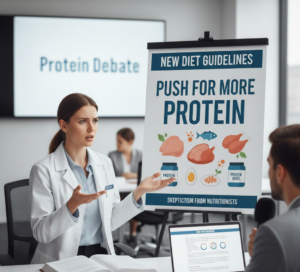
Protein
As governments and health organizations around the world revisit national dietary guidelines, a growing push to recommend higher protein intake has sparked debate among nutrition experts. While protein has long been recognized as an essential macronutrient for muscle maintenance, metabolism, and overall health, many nutritionists warn that an aggressive emphasis on increasing protein may oversimplify complex dietary needs—and potentially create new health and environmental challenges.
Why Protein Is Getting More Attention
Supporters of higher protein recommendations argue that current guidelines may not adequately reflect modern health concerns. Rising rates of obesity, type 2 diabetes, and age-related muscle loss (sarcopenia) have led some researchers and industry groups to advocate for increased protein intake, particularly among older adults.
Protein is known to promote satiety, helping people feel fuller for longer, which can support weight management. It also plays a key role in preserving lean muscle mass, especially as people age. Advocates argue that boosting protein recommendations could help counter sedentary lifestyles and improve metabolic health.
In addition, the popularity of high-protein diets—fueled by fitness culture, social media, and food industry marketing—has increased public demand for official guidelines that align with current eating trends.
Nutritionists Urge Caution
Despite these arguments, many nutritionists remain skeptical. Their concerns center on balance, equity, and unintended consequences.
First, experts note that most people in high-income countries already meet or exceed recommended protein intakes. “For the general population, protein deficiency is not the primary nutritional problem,” many nutritionists argue. Instead, diets tend to be lacking in fiber, fruits, vegetables, and whole grains—nutrients closely linked to reduced risk of chronic disease.
Second, a strong push for protein may encourage greater consumption of animal-based sources such as red and processed meats, which have been associated with higher risks of heart disease, certain cancers, and environmental degradation. Nutritionists emphasize that the source of protein matters just as much as the quantity, and fear that simplified messaging could undermine decades of public health guidance.
Environmental and Social Implications
Another major concern is sustainability. Increasing protein recommendations—especially if interpreted as more meat and dairy—could place additional strain on food systems already contributing significantly to greenhouse gas emissions, deforestation, and water use.
Some nutrition experts argue that dietary guidelines should align more closely with environmental goals, promoting plant-based protein sources such as legumes, nuts, seeds, and whole grains. From this perspective, a blanket call for “more protein” risks moving diets in the opposite direction.
There are also equity considerations. High-protein foods, particularly lean meats and specialty protein products, are often more expensive. Nutritionists worry that revised guidelines could widen health disparities if they fail to account for affordability and cultural eating patterns.
A Call for Nuance, Not Hype
Rather than increasing protein targets across the board, many experts advocate for more nuanced guidance. This includes tailoring recommendations by age, health status, and activity level, while emphasizing protein quality and dietary diversity.
“Protein is important, but it’s not a magic bullet,” critics say. “Focusing too narrowly on one nutrient distracts from the bigger picture of healthy eating patterns.”
As policymakers weigh updates to dietary guidelines, the debate highlights a familiar tension in nutrition science: balancing emerging research, public interest, industry influence, and long-term public health goals. Whether protein recommendations ultimately rise or remain unchanged, nutritionists agree on one point—any changes should be grounded in robust evidence and communicated with clarity and caution.
1. USA UK New Diet Guidelines
Iska matlab America aur United Kingdom ke updated ya proposed diet aur nutrition guidelines hain. Ye guidelines government health agencies banati hain taaki logon ko bataya ja sake ke sehatmand rehne ke liye kya aur kitna khana chahiye.
2. High Protein Diet
High protein diet wo diet hoti hai jisme protein ki quantity normal se zyada hoti hai. Isme meat, eggs, dairy, legumes aur protein supplements shamil hote hain. Aisi diet aksar weight loss aur muscle building ke liye follow ki jati hai.
3. Protein Intake Recommendations
Ye experts ke dwara batayi gayi daily protein ki matra hoti hai jo body ke liye zaroori hoti hai. Ye recommendations age, gender aur lifestyle ke mutabiq badal sakti hain.
4. Nutrition Experts Opinion
Iska matlab nutritionists aur dietitians ki rai (views) hai. Ye experts batate hain ke diet me kya faida mand hai aur kya nuksan ho sakta hai, especially jab new diet guidelines propose ki jati hain.
5. Healthy Diet Trends
Healthy diet trends wo popular eating patterns hain jo log follow kar rahe hote hain, jaise high protein diets, plant-based diets, low-carb diets, etc. Ye trends social media aur fitness culture se kaafi influence hote hain.
6. Dietary Protein Benefits
Is se murad protein khane ke faide hain, jaise:
-
muscles ko strong banana
-
pet bhara rehna (satiety)
-
metabolism support karna
-
body repair aur growth me madad
7. Risks of High Protein Diet
High protein diet ke kuch possible nuksanat bhi ho sakte hain, jaise:
-
kidney par extra pressure
-
heart disease ka risk (agar zyada red meat ho)
-
fiber ki kami
-
digestion problems
8. Balanced Nutrition Advice
Balanced nutrition advice ka matlab hai ke diet me sab nutrients—protein, carbohydrates, fats, vitamins aur minerals—sahi proportion me hon. Sirf ek nutrient par focus karna sehat ke liye theek nahi mana jata.
9. Diet and Nutrition Guidelines
Ye official rules aur recommendations hoti hain jo logon ko sehatmand lifestyle adopt karne me guide karti hain. Inme bataya jata hai ke daily diet me kya shamil hona chahiye.
10. Protein Consumption Debate
Protein consumption debate se murad ye discussion hai ke:
-
kya logon ko aur zyada protein lena chahiye?
-
ya phir already protein ka intake kaafi hai?
Is debate me scientists, policymakers aur nutrition experts shamil hote hain.

2 comments
[…] Guidelines provides an expert look at America’s latest dietary advice. From protein priorities to fruits, vegetables, whole grains, healthy fats, sugar, and alcohol, these new recommendations aim to […]
[…] Diet has long been recognized as one of the healthiest eating patterns in the world. It focuses on fresh fruits and vegetables, whole grains, lean proteins, healthy fats like olive oil, and moderate portions of […]