As we age, the food benefits we get from different meals can change. Choosing the right foods becomes important to maintain energy, heart, and brain health. Understanding how food benefits evolve with age helps you make smarter diet choices. Simple changes in what you eat can have a big impact on overall wellness. This guide will show you which foods work best for each stage of life.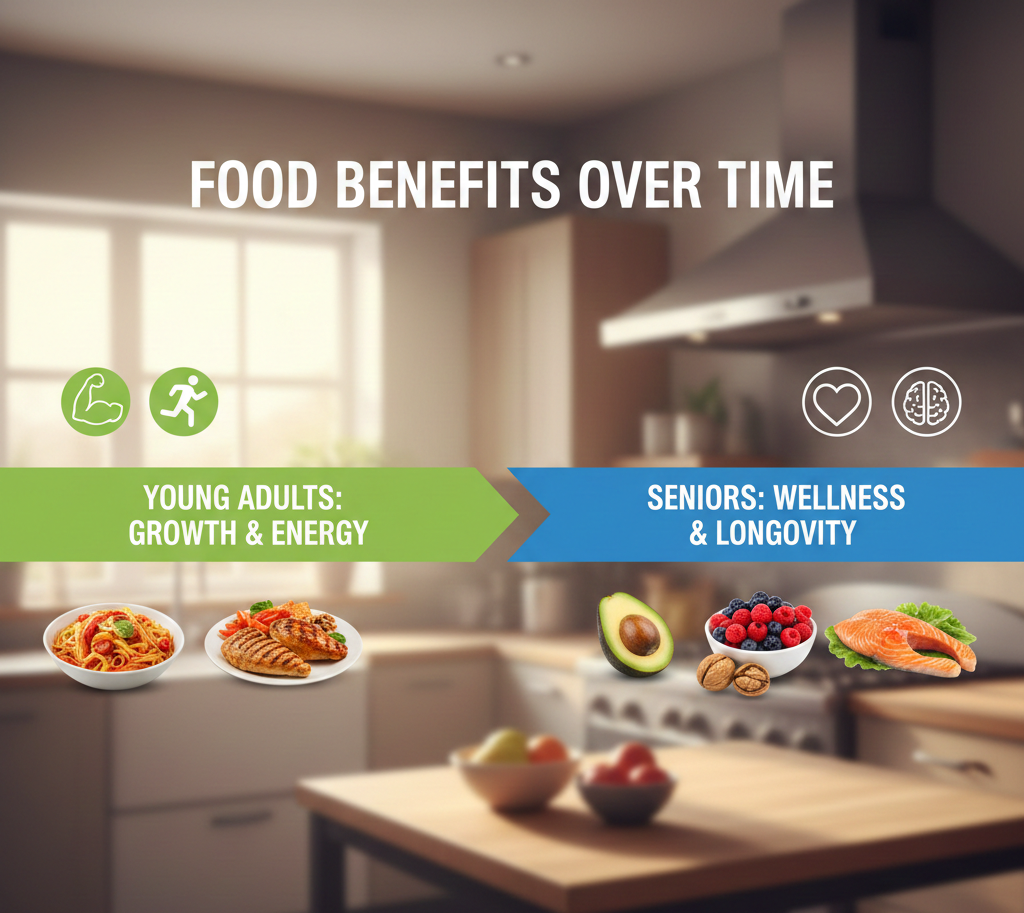
Changing Dietary Needs
As we get older, the food benefits we get from our meals change. What worked for our body at 20 may not work the same at 50. Understanding these changes is important to maintain energy, heart health, and brain health. Eating the right foods can help reduce risks of disease and keep the body strong. Many people do not realize that small adjustments in diet can make a big difference in overall wellness. Nutrition plays a huge role in how we age.
How Our Body Changes
Our metabolism slows down, muscles lose strength, and the body absorbs fewer vitamins. Foods that are rich in protein, fiber, vitamins, and minerals become more important with age. At the same time, unhealthy processed foods can reduce food benefits and increase health risks. Learning which foods provide maximum benefits at each stage of life is essential for maintaining vitality.
Age and Nutrition
The benefits of food are not the same at all ages. Younger adults may need more calories for energy and growth, while older adults benefit more from foods that protect the heart, bones, and brain.
Essential Nutrients
For example, calcium-rich foods help prevent bone loss in later life, while omega-3 fatty acids support cognitive function. Dieticians recommend focusing on nutrient-dense foods rather than high-calorie but low-nutrition foods.
Digestion and Hydration
Another important factor is digestion. As we age, the digestive system becomes slower and less efficient. Foods that were easy to digest in youth may now cause discomfort. Foods high in fiber, like vegetables, whole grains, and legumes, help maintain healthy digestion. Drinking enough water is also critical to maximize food benefits. Small lifestyle changes, combined with smart food choices, can make a large difference in overall health.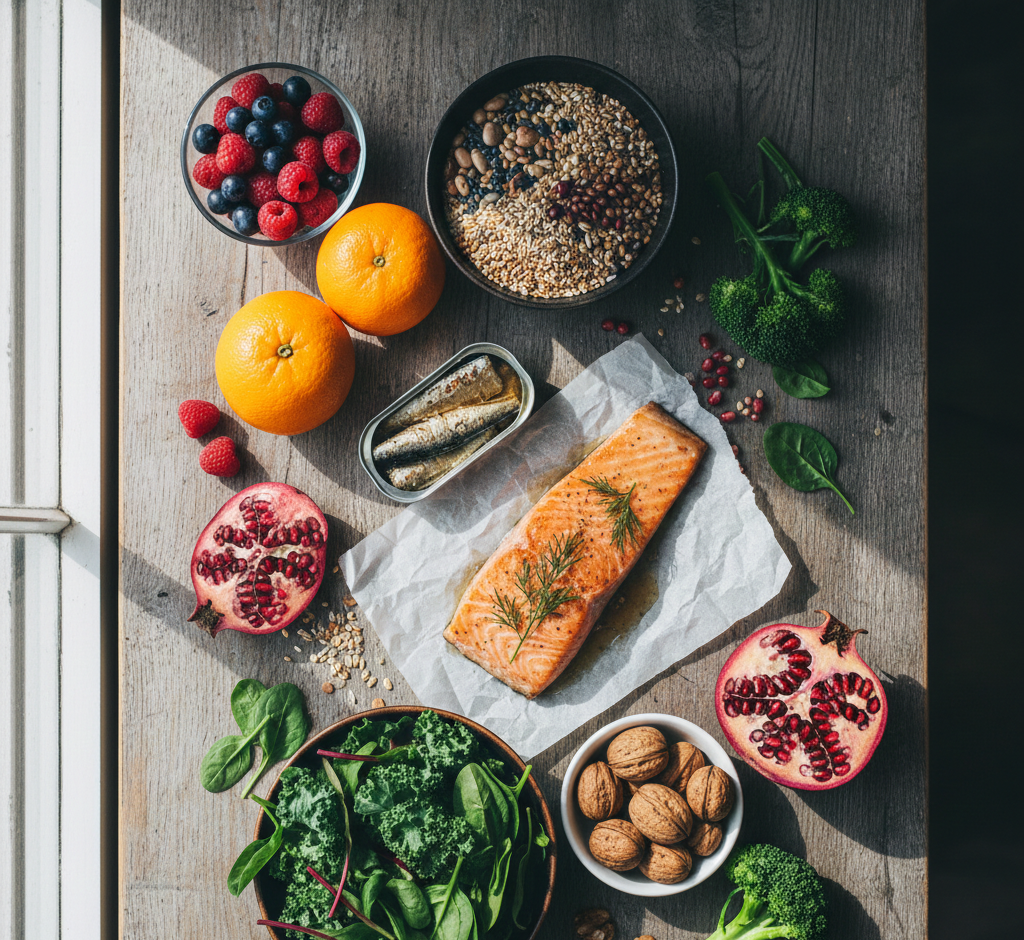
Boosting Heart Health
Maintaining energy and heart health is crucial for older adults. Foods rich in complex carbohydrates, lean protein, and healthy fats provide sustainable energy. Whole grains, beans, lentils, and nuts are excellent options. Foods like salmon, sardines, and walnuts are high in omega-3 fatty acids . They are known to improve heart health and lower inflammation.
Maximizing Food Benefits
Including fresh fruits and vegetables in every meal also boosts heart health. Vegetables like spinach, broccoli, and kale are high in antioxidants and vitamins. which reduce oxidative stress and support blood vessels. Fruits such as berries, oranges, and pomegranates provide natural sugars and phytonutrients. They improve energy without spiking blood sugar. These food choices combine to maximize the benefits of food as we age.
Brain-Boosting Food Benefits
Cognitive health is closely linked to diet. Certain foods can boost memory, concentration, and overall brain performance. Fatty fish, nuts, and seeds are rich in omega-3 fatty acids that protect brain cells.
Preventing Cognitive Decline
Dark chocolate and blueberries are high in antioxidants, which help prevent cognitive decline. Dieticians often recommend including these foods regularly to maintain mental sharpness.
Fueling Mind and Mood
Whole grains and legumes also play a role in brain health. They provide glucose, which is the main fuel for the brain. Protein-rich foods, including eggs and dairy, support neurotransmitter production. A diet that combines fiber, protein, and healthy fats can improve mood, reduce fatigue, and enhance overall cognitive function.
Bone and Muscle Food Benefits
As we age, bones and muscles weaken, which can increase the risk of fractures and falls. Foods rich in calcium, vitamin D, and protein help maintain bone density and muscle mass.
Building Muscle Strength
Protein helps repair muscles and maintain strength. Lean meat, fish, eggs, and legumes provide essential amino acids. Weight-bearing exercises combined with a nutrient-rich diet increase the effectiveness of food benefits.
Table: Key Foods and Their Benefits
| Food | Nutrients | Key Benefits |
|---|---|---|
| Salmon | Omega-3, Protein | Heart and brain health |
| Spinach | Fiber, Vitamin K, Calcium | Bone and digestion support |
| Greek Yogurt | Protein, Probiotics, Calcium | Muscle maintenance and gut health |
| Blueberries | Antioxidants, Vitamin C | Brain and heart protection |
| Almonds | Healthy fats, Vitamin E | Heart health, energy support |
| Eggs | Protein, Choline | Brain health and muscle repair |
| Lentils | Fiber, Protein, Iron | Energy, digestion, and muscle health |
Hydration and Food Benefits
Water is an often-overlooked source of food benefits. Proper hydration helps with digestion, nutrient absorption, and energy levels.
Preventing Dehydration
Older adults are at higher risk of dehydration because the sensation of thirst diminishes with age. Drinking enough water, herbal teas, and water-rich foods like cucumbers and watermelon can maintain hydration and improve overall health.
Hydration and Skin Care
Hydration also affects skin health. Adequate water intake supports elasticity and reduces dryness. When combined with nutrient-rich foods, it maximizes the overall benefits of a balanced diet.
Portions and Food Benefits
Aging affects metabolism, so calorie needs change. While younger adults may need more energy, older adults often require fewer calories but more nutrients. Adjusting portion sizes ensures you get enough vitamins and minerals without overconsuming calories.
Smart Portion Control
Using smaller plates, eating slowly, and including nutrient-dense foods help maintain a healthy weight.
Maximize Food Benefits
Even with smaller portions, including a variety of whole foods, lean proteins, and healthy fats ensures maximum food benefits. Avoiding processed foods and sugary snacks preserves energy levels and reduces the risk of chronic diseases such as diabetes and heart disease.
Maximizing Food Benefits: Case Study
A study of adults aged 60 to 75 showed that adding more fiber, omega-3 fatty acids, and calcium-rich foods improved energy, mood, and cognitive function. Participants who reduced processed foods and added fresh vegetables and fruits reported fewer digestive issues and better heart markers. This demonstrates that even small dietary adjustments can enhance the benefits of food as we age.
Tips to Maximize Food Benefits
Eating to maximize food benefits does not need to be complicated. Include a variety of colorful fruits and vegetables in every meal. Choose whole grains instead of refined grains. Add nuts, seeds, and fatty fish for heart and brain support. Make hydration a priority, and adjust portions according to energy needs. Even simple changes like adding berries to breakfast or spinach to lunch can provide lasting health benefits.
Finally, consider meal timing. Eating smaller, frequent meals can stabilize blood sugar and energy levels. Avoid skipping meals, as it can reduce nutrient absorption and decrease the benefits of food. Combining these habits creates a sustainable diet that supports health at every age.
Conclusion
The food benefits we receive change as we grow older. By choosing nutrient-rich foods, maintaining hydration, and adjusting portion sizes, we can maximize energy, support heart and brain health, and maintain strong bones and muscles. Simple dietary changes, such as including whole grains, fresh fruits, vegetables, lean proteins, and healthy fats, can make a significant difference in overall wellness. Understanding how food benefits evolve over time empowers us to make smarter choices, live healthier, and enjoy a better quality of life at every age.
FAQ
1. How does nutrition change as you age?
As you age, your body needs fewer calories but more nutrients like protein, fiber, and vitamins to stay healthy.
2. How do the food items that we eat change with our age?
Older adults should focus on nutrient-rich foods like fruits, vegetables, whole grains, and lean proteins instead of processed foods.
3. What are 5 benefits of good nutrition for older people?
Good nutrition boosts energy, heart and brain health, bone strength, digestion, and reduces chronic disease risk.
4. What is the 4-4-9 rule in nutrition?
The 4-4-9 rule means 1 gram of protein = 4 calories, carbs = 4 calories, fat = 9 calories.
5. What are the five common dietary problems in elderly people?
Protein deficiency, low calcium/vitamin D, malnutrition, low fiber, and high sodium or sugar intake.
6. What are 5 foods that seniors should eat every day?
Fruits and vegetables, whole grains, lean protein, dairy or fortified alternatives, and nuts/seeds.
7. What are the three foods that seniors should not eat?
Processed meats, sugary snacks/drinks, and fried or heavily processed foods.
8. What are the 10 red flags that signal poor nutritional advice?
Extreme restriction, cutting food groups, quick-fix claims, reliance on supplements, lack of evidence, one-size diets, ignoring age needs, detox obsession, conflicting advice, and marketing gimmicks.
9. What is the 10-10-5 rule for nutrition?
A balanced meal with 10% protein, 10% fat, and 5 servings of fruits and vegetables.
10. How do you know if your body is lacking nutrients?
Fatigue, weak muscles, brittle nails, poor healing, dizziness, or frequent illness indicate nutrient deficiencies.
11. What are the 5 P’s you shouldn’t eat?
Processed foods, packaged foods, pastries, pizza, and sugary drinks (pop).

2 comments
[…] workout without heavy dumbbells. Therefore, they are an excellent alternative for anyone who hates weights or wants variety in their fitness […]
[…] protein and fiber together in your diet supports immunity, reduces bloating, and promotes overall wellness […]