High protein and high-fiber recipes for gut health are essential for a strong digestive system. These meals feed good bacteria, improve digestion, and keep you full longer.
Including protein and fiber together in your diet supports immunity, reduces bloating, and promotes overall wellness naturally and deliciously.
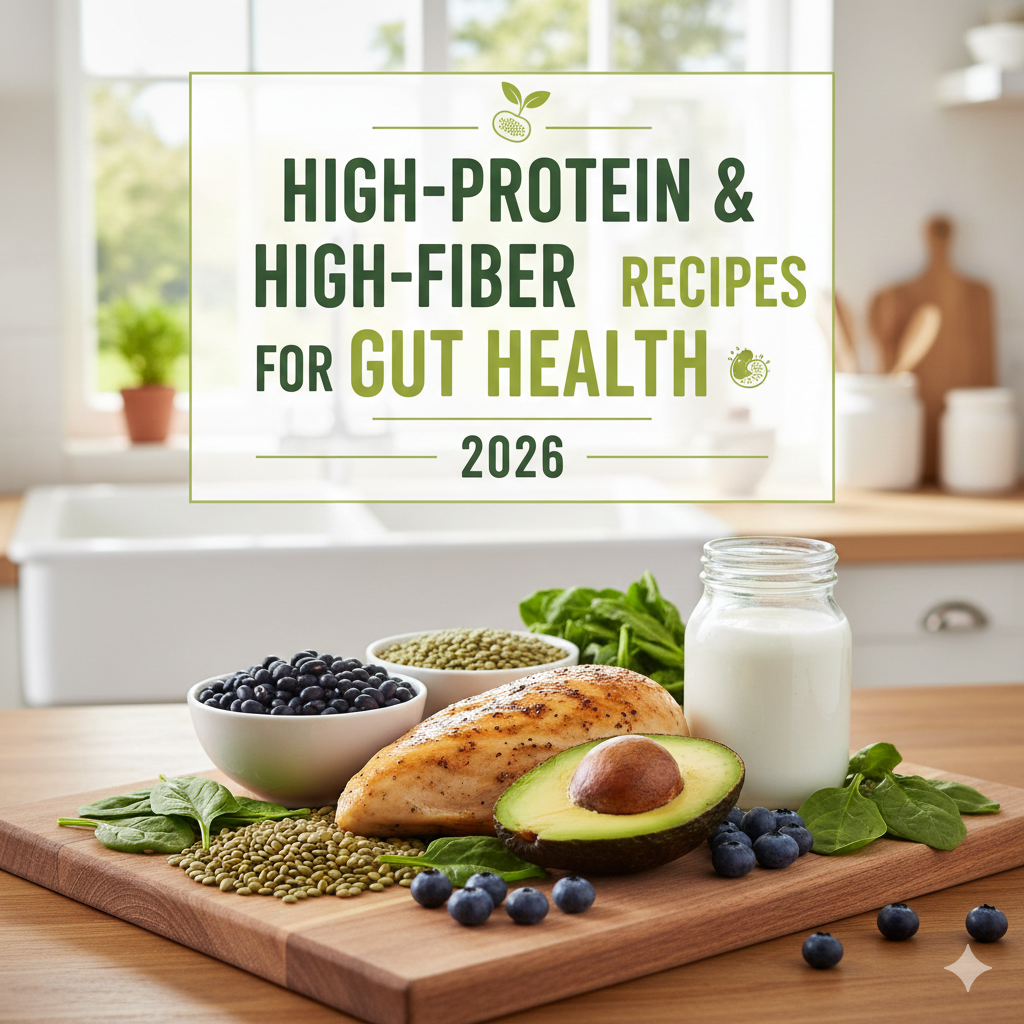
High Protein and High Fiber Recipes for Gut Health 2026
High-protein and high-fiber recipes for gut health are gaining popularity in 2026 as more people understand the crucial role of digestion in overall wellness. A balanced gut not only supports digestion but also strengthens immunity, boosts energy, and improves mental clarity. Combining protein and fiber in meals provides lasting satiety, feeds healthy gut bacteria, and promotes smoother bowel movements. With simple, natural ingredients, these recipes make it easy to support gut health without relying on supplements or processed foods. This blog explores the best ways to incorporate high-protein and high-fiber recipes for gut health into your daily routine while highlighting their benefits and practical tips.
Benefits of High Protein and High Fiber Recipes
Consuming meals rich in protein and fiber is essential for maintaining digestive balance and overall wellness. Protein repairs body tissues and supports muscle health, while fiber acts as food for beneficial gut bacteria. Together, they improve digestion, reduce bloating, and enhance nutrient absorption.
Why High Protein Matters
Protein is not only crucial for muscle repair but also helps the gut lining stay strong. Including sources like beans, lentils, eggs, or lean meats ensures your gut functions optimally.
Role of Fiber
Fiber-rich foods like vegetables, fruits, oats, and whole grains feed healthy gut bacteria. In addition, fiber helps regulate bowel movements and prevents constipation.
Combined Benefit of protein and fiber
Meals that combine protein and fiber provide lasting fullness and balanced energy. Moreover, they contribute to weight management and long-term digestive health.
Breakfast Recipes for Gut Health
High protein and high-fiber recipes for gut health
Starting the day with high-protein and high-fiber recipes for gut health ensures steady energy and supports morning digestion.
Oatmeal with Chia Seeds and Almonds
Ingredients:
-
½ cup rolled oats
-
1 tablespoon chia seeds
-
one tablespoon almonds, chopped
-
1 cup milk or almond milk
-
½ cup fresh berries
Preparation: Cook oats with milk, then top with chia seeds, almonds, and berries. This breakfast is filling, supports gut bacteria, and keeps energy levels steady.
Greek Yogurt with Flax and Berries
Ingredients:
-
1 cup Greek yogurt
-
1 tablespoon flax seeds
-
½ cup mixed berries
-
1 teaspoon honey (optional)
Preparation: Mix yogurt with flax seeds and berries. In addition to fiber and protein, this combination provides probiotics, which help strengthen gut health naturally.
Lunch Recipes for Gut Health
Incorporating high-protein and high-fiber recipes for gut health into lunch ensures sustained energy and improved digestion through the afternoon.
Quinoa Salad with Chickpeas and Vegetables
Ingredients:
-
1 cup cooked quinoa
-
½ cup boiled chickpeas
-
1 cucumber, chopped
-
add one tomato, chopped
-
1 tablespoon olive oil
-
Lemon juice and herbs
Preparation: Mix quinoa, chickpeas, and vegetables. Drizzle olive oil and lemon juice. Quinoa provides protein, while chickpeas and veggies supply fiber, making this a gut-friendly and satisfying lunch.
Lentil Soup
Ingredients:
-
1 cup red lentils
-
1 carrot, chopped
-
one
-
celery stalk, chopped
-
1 small onion, chopped
-
4 cups water or vegetable broth
-
Spices to taste
Preparation: Boil lentils with vegetables and spices until soft. This fiber-rich, protein-packed soup nourishes gut bacteria and aids smooth digestion.
Snack Ideas for Gut Health
Snacks can also support digestion if you choose high-protein and high-fiber recipes for gut health.
Roasted Chickpeas
Ingredients:
-
1 cup boiled chickpeas
-
add one teaspoon olive oil
-
Salt, paprika, or chili powder
Preparation: Toss chickpeas in oil and spices, then roast at 180°C for 20 minutes. In addition to fiber and protein, roasted chickpeas provide a crunchy, satisfying snack.
Nut and Fruit Energy Balls
Ingredients:
-
½ cup dates
-
¼ cup almonds
-
¼ cup oats
-
1 tablespoon peanut butter
Preparation: Blend all ingredients, form small balls, and refrigerate. These naturally sweet, fiber-rich snacks boost gut-friendly bacteria while keeping energy levels high.
Dinner Recipes for Gut Health
high-protein and high-fiber recipes for gut health
Ending the day with high-protein and high-fiber recipes for gut health promotes overnight digestion and nutrient absorption.
Grilled Salmon with Steamed Vegetables
Ingredients:
-
1 salmon fillet
-
1 cup broccoli, steamed
-
add one cup of carrot, steamed
-
use on teaspoon olive oil, herbs, and spices
Preparation: Grill salmon and serve with steamed vegetables. Salmon provides protein and omega-3s, while veggies supply fiber for healthy digestion.
Tofu Stir-Fry with Vegetables
Ingredients:
-
½ block firm tofu, cubed
-
A cup mixed vegetables (bell peppers, broccoli, carrots)
-
1 tablespoon soy sauce or tamari
-
1 teaspoon olive oil
Preparation: Stir-fry tofu and vegetables in olive oil. In addition to protein and fiber, this meal is rich in antioxidants and supports a balanced gut microbiome.
Tips for Maximizing Gut Health
Implementing high-protein and high-fiber recipes for gut health works best when combined with mindful eating habits.
Stay Hydrated
Water helps fiber move through the digestive system. Moreover, staying hydrated improves nutrient absorption and reduces bloating.
Include Probiotics
Yogurt, kefir, and fermented foods feed healthy gut bacteria. Consuming them regularly supports digestion and immunity.
Gradually Increase Fiber
Introducing fiber slowly prevents gas or bloating. Also, combining fiber with protein ensures longer satiety and better digestive efficiency.
Choose Whole Ingredients
Whole grains, fresh fruits, and vegetables maximize nutrient intake. In addition, avoiding processed foods reduces inflammation and supports gut balance.
Conclusion
High-protein and high-fiber recipes for gut health are essential for 2026 wellness trends. They not only improve digestion but also promote immunity, increase energy, and support weight management. Incorporating these recipes into breakfast, lunch, dinner, and snacks ensures a balanced, gut-friendly diet. Simple changes like adding legumes, whole grains, vegetables, nuts, and yogurt can make a lasting difference in digestive wellness. With mindful preparation, whole ingredients, and the right balance of protein and fiber, maintaining gut health becomes both achievable and enjoyable.
Optimize Digestion on GLP-1 Diets
Weight loss medications like GLP-1 agonists (Ozempic) are highly effective, but they often come with digestive side effects, such as constipation and bloating. Balancing your diet with high-protein and high-fiber recipes for gut health can minimize these issues while supporting weight management. Protein fuels muscle repair, keeps you satisfied, and supports metabolism, whereas fiber feeds beneficial gut bacteria and encourages regular bowel movements. Combining these nutrients strategically helps maintain digestive comfort, reduces inflammation, and enhances overall wellness.
Understanding GLP-1 Side Effects on Digestion
GLP-1 medications slow gastric emptying, which helps with appetite control but can sometimes lead to gastrointestinal discomfort. Users often experience constipation, irregular bowel movements, and mild bloating. Instead of relying on laxatives, introducing high-protein and high-fiber meals can naturally regulate digestion. Soluble fiber absorbs water to soften stool, while insoluble fiber adds bulk and improves gut motility. Protein stabilizes blood sugar and promotes satiety, preventing overeating while supporting muscle and tissue repair. Focusing on nutrient-rich, minimally processed ingredients ensures both digestive comfort and effective weight loss.
How Protein Supports Gastrointestinal Balance
Lean meats, tofu, tempeh, eggs, and legumes supply essential amino acids. These nutrients strengthen the gut lining, support enzyme production, and help the body absorb minerals more efficiently.
How Fiber Reduces Medication Side Effects
Foods like oats, lentils, chia seeds, and green vegetables act as natural bulking agents. They facilitate smooth digestion and feed probiotic bacteria, reducing the risk of constipation associated with GLP-1 therapies.
Innovative Breakfast Recipes
A well-planned breakfast sets the tone for the day. These meals are designed to be high in protein and fiber while gentle on the stomach.
Almond Chia Smoothie Bowl
Ingredients:
-
1 cup almond milk
-
2 tablespoons chia seeds
-
½ cup rolled oats
-
½ cup mixed berries
-
1 tablespoon almond butter
Preparation: Blend almond milk with oats, chia seeds, and almond butter. Pour into a bowl and top with berries. This breakfast combines protein and fiber, supporting gut bacteria and promoting fullness for hours.
Savory Lentil Pancakes
Ingredients:
-
½ cup red lentil flour
-
¼ cup water
-
1 small zucchini, grated
-
Herbs and spices
Preparation: Mix lentil flour with water and zucchini. Cook on a non-stick pan until golden. Lentils provide plant-based protein and fiber, and zucchini adds moisture and digestive-friendly nutrients.
Lunch Options That Aid Digestion
Lunches can continue the protein-fiber synergy to sustain energy and ease GI side effects.
Mediterranean Chickpea Wrap
Ingredients:
-
Whole wheat wrap
-
½ cup boiled chickpeas
-
Sliced cucumber, tomato, bell pepper
-
1 teaspoon hummus
Preparation: Mash chickpeas slightly, layer veggies, and spread hummus on the wrap. Chickpeas provide protein, fiber, and micronutrients that support digestion and prevent bloating.
Quinoa Veggie Buddha Bowl
Ingredients:
-
1 cup cooked quinoa
-
½ cup roasted sweet potato
-
1 cup steamed broccoli
-
1 tablespoon pumpkin seeds
-
Tahini dressing
Preparation: Layer quinoa, vegetables, and seeds. Drizzle with tahini. This fiber-rich and protein-packed bowl keeps digestion smooth while offering balanced energy and antioxidants.
Gut-Friendly Snack Ideas
Snacks between meals are opportunities to maintain digestive health and curb hunger.
Roasted Edamame
Ingredients:
-
1 cup edamame, shelled
-
1 teaspoon olive oil
-
Pinch of salt
Preparation: Roast edamame at 200°C for 15 minutes. Protein-rich edamame supports muscle maintenance while fiber encourages bowel regularity.
Apple and Nut Butter Bites
Ingredients:
-
1 small apple, sliced
-
2 tablespoons almond or peanut butter
-
Sprinkle of flax seeds
Preparation: Spread nut butter on apple slices and top with flax seeds. Apples provide fiber, nut butter adds protein and healthy fats, and flax seeds further feed gut bacteria.
Dinner Recipes for Overnight Digestive Support
Evening meals should encourage gut-friendly digestion and provide satiety without discomfort.
Baked Cod with Lentil Pilaf
Ingredients:
-
100g cod fillet
-
½ cup cooked lentils
-
1 cup steamed spinach and carrots
-
Herbs and lemon juice
Preparation: Bake cod with herbs. Serve alongside lentil pilaf and vegetables. Lentils supply fiber, cod adds lean protein, and vegetables aid digestion while improving nutrient absorption.
Tofu and Broccoli Stir-Fry
Ingredients:
-
½ block firm tofu
-
1 cup broccoli florets
-
1 teaspoon sesame oil
-
Garlic and ginger
Preparation: Stir-fry tofu and broccoli in sesame oil with spices. Tofu offers protein, while broccoli supports fiber intake and gut bacterial health.
Tips to Optimize Gut Health While on GLP-1
Maintaining digestive wellness while using GLP-1 medications requires consistency and strategic choices.
Hydrate Regularly
Water supports fiber movement through the digestive tract. Moreover, hydration reduces bloating and improves stool consistency.
Include Fermented Foods
Probiotic foods such as kefir, sauerkraut, and yogurt help maintain a balanced gut microbiome. They also reduce digestive discomfort associated with slowed gastric emptying.
Avoid Excess Processed Foods
Highly processed foods can exacerbate bloating and constipation. Emphasize whole grains, vegetables, legumes, and lean proteins instead.
Introduce Fiber Gradually
For those new to high-fiber meals, increase intake slowly. Gradual introduction reduces gas, cramping, and digestive discomfort.
High Protein Plant Variety Recipes for Gut Health
Maintaining a healthy gut is essential for overall wellness, and plant-based foods can play a powerful role. High protein plant variety recipes for gut health combine legumes, nuts, seeds, whole grains, and vegetables to provide both protein and fiber, which nourish beneficial gut bacteria and support digestion. Unlike animal-based protein, plant protein comes with fiber and antioxidants that reduce inflammation and improve bowel regularity. Incorporating these meals into breakfast, lunch, dinner, and snacks ensures your digestive system functions smoothly, while keeping you energized throughout the day. This guide highlights delicious, easy-to-make plant-based recipes that help strengthen gut health and provide complete nutrition for 2026 and beyond.
Benefits of High Protein Plant-Based Recipes
Plant-based proteins provide essential amino acids while supporting gut-friendly digestion. Combining protein with fiber improves satiety, reduces bloating, and regulates bowel movements. Moreover, plant-based meals are rich in vitamins, minerals, and phytonutrients that reduce inflammation in the gut.
Protein Sources for the Gut
Legumes, tofu, tempeh, edamame, quinoa, and seitan supply plant protein. These foods not only build and repair tissues but also feed gut microbes, supporting a balanced microbiome.
Fiber and Gut Health
Vegetables, fruits, whole grains, chia seeds, flax seeds, and nuts provide soluble and insoluble fiber. Soluble fiber softens stool and promotes probiotic growth, while insoluble fiber improves bowel movement and prevents constipation.
: Breakfast Recipes for Gut Health
Plant-based breakfasts can provide a filling start while supporting digestion.
Tofu Scramble with Spinach and Tomatoes
Ingredients:
-
½ block firm tofu, crumbled
-
1 cup spinach
-
½ cup diced tomatoes
-
1 tsp olive oil
-
Salt and turmeric for flavor
Preparation: Sauté tofu with olive oil, add spices, and fold in spinach and tomatoes. Tofu supplies protein, while vegetables contribute fiber for smooth digestion.
Chia and Oat Pudding with Berries
Ingredients:
-
3 tbsp chia seeds
-
½ cup oats
-
1 cup plant-based milk (almond or soy)
-
½ cup mixed berries
Preparation: Mix chia seeds, oats, and milk. Refrigerate overnight and top with berries. This combination is high in fiber and protein, feeding gut-friendly bacteria while keeping you full until lunch.
Lunch Recipes for Gut Health
Plant-based lunches should maintain the protein-fiber balance to support sustained energy.
Quinoa Chickpea Salad
Ingredients:
-
1 cup cooked quinoa
-
½ cup boiled chickpeas
-
1 cup chopped vegetables (cucumber, bell pepper, carrot)
-
1 tbsp olive oil and lemon juice
Preparation: Mix quinoa, chickpeas, and vegetables with dressing. This dish is rich in plant protein and fiber, promoting gut health and preventing bloating.
Lentil and Vegetable Soup
Ingredients:
-
1 cup lentils
-
1 carrot, chopped
-
1 zucchini, chopped
-
1 small onion, chopped
-
4 cups water or vegetable broth
Preparation: Simmer all ingredients until tender. Lentils provide protein while vegetables supply fiber and antioxidants that support a healthy microbiome.
Snacks for Gut Health
Snacks are perfect for maintaining energy and feeding gut bacteria between meals.
Roasted Edamame with Spices
Ingredients:
-
1 cup shelled edamame
-
1 tsp olive oil
-
Paprika or chili powder
Preparation: Toss edamame with oil and spices, roast at 200°C for 15 minutes. Edamame is protein-rich and the fiber content supports regular bowel movements.
Nut and Seed Energy Bites
Ingredients:
-
½ cup dates
-
¼ cup almonds
-
¼ cup pumpkin seeds
-
1 tbsp cocoa powder (optional)
Preparation: Blend all ingredients, roll into small balls, and refrigerate. This snack provides plant protein, fiber, and micronutrients for gut health and sustained energy.
Dinner Recipes for Gut Health
Evening meals should support overnight digestion and maintain protein-fiber balance.
Tempeh Stir-Fry with Broccoli
Ingredients:
-
½ block tempeh, cubed
-
1 cup broccoli
-
1 tsp sesame oil
-
Garlic and ginger for flavor
Preparation: Stir-fry tempeh and broccoli with spices. Tempeh is a complete plant protein, while broccoli supplies fiber and nutrients that feed gut bacteria and reduce inflammation.
Black Bean and Sweet Potato Tacos
Ingredients:
-
½ cup black beans
-
½ cup roasted sweet potato
-
2 whole-grain tortillas
-
Salsa and avocado for topping
Preparation: Fill tortillas with beans, sweet potato, and toppings. Black beans provide protein and fiber, and sweet potato adds soluble fiber for digestive support.
Tips to Maximize Gut Health on a Plant-Based Diet
Hydration
Drink water and herbal teas to help fiber move through the digestive tract and prevent constipation.
Include Fermented Foods
Tempeh, miso, kimchi, and plant-based yogurt add probiotics, which balance gut bacteria and enhance digestion.
Gradual Fiber Introduction
Increase fiber intake gradually to avoid gas or bloating. Combine with protein to maintain fullness and digestive comfort.
Avoid Highly Processed Foods
Minimize refined grains, sugary snacks, and fried items. Focus on whole grains, legumes, vegetables, and seeds for optimal gut health.
Conclusion
High protein plant variety recipes for gut health provide both protein and fiber needed to nourish the microbiome, prevent constipation, and maintain energy. By combining legumes, tofu, tempeh, whole grains, nuts, seeds, and vegetables, you can create meals that are filling, nutritious, and gut-friendly. Including these plant-based recipes in breakfast, lunch, dinner, and snacks helps support a healthy digestive system, improve immunity, and maintain overall wellness naturally. 2026 is the year to prioritize gut health with plant-based protein and fiber-rich meals that are delicious, easy to prepare, and scientifically backed.
High Fiber Snacks That Keep You Full for 5+ Hours
Feeling hungry every few hours can be exhausting, especially when trying to stay productive or maintain a healthy diet. High fiber snacks that keep you full for 5+ hours are the perfect solution. Fiber slows digestion, regulates blood sugar, and feeds beneficial gut bacteria, which helps you feel satisfied longer. Pairing fiber with a little protein or healthy fat amplifies the fullness effect. These snacks are ideal for busy mornings, workdays, or post-workout recovery while supporting gut health, weight management, and stable energy levels throughout the day.
Why High Fiber Snacks Are Essential
Fiber-rich foods slow digestion, which prolongs the feeling of fullness. They also help maintain steady blood sugar levels, preventing energy crashes and cravings. Soluble fiber absorbs water and forms a gel-like substance in the stomach, slowing the emptying process, while insoluble fiber adds bulk and supports bowel regularity.
Role of Protein and Healthy Fats
Adding protein (like nuts or seeds) or healthy fats (like avocado or nut butter) to fiber snacks enhances satiety. These combinations keep hunger at bay for longer and provide sustained energy.
Morning Snacks That Keep You Full
Chia Pudding with Berries and Almonds
Ingredients:
-
3 tbsp chia seeds
-
1 cup almond or soy milk
-
½ cup berries
-
1 tbsp almond butter
Preparation: Mix chia seeds with milk and refrigerate overnight. Top with berries and almond butter before serving. Chia seeds expand in the stomach, providing long-lasting fullness, while almonds and berries add protein, fiber, and antioxidants.
Oat and Nut Energy Bars
Ingredients:
-
1 cup oats
-
¼ cup mixed nuts (almonds, walnuts, cashews)
-
½ cup dates
-
2 tbsp peanut butter
Preparation: Blend all ingredients, press into a pan, refrigerate, and cut into bars. Oats and nuts are rich in fiber and protein, making them perfect for a snack that sustains energy for 5+ hours.
Afternoon Snacks to Beat Cravings
Roasted Chickpeas with Spices
Ingredients:
-
1 cup chickpeas, boiled or canned
-
1 tsp olive oil
-
Paprika, cumin, or chili powder
Preparation: Toss chickpeas in oil and spices, roast at 180°C for 20 minutes. Chickpeas provide both protein and fiber, keeping you satisfied and energized during long work hours.
Apple Slices with Peanut Butter and Flax Seeds
Ingredients:
-
1 medium apple, sliced
-
2 tbsp peanut butter
-
1 tsp ground flax seeds
Preparation: Spread peanut butter on apple slices and sprinkle with flax seeds. The fiber from the apple and flax combined with healthy fats from peanut butter keeps hunger away for hours.
Evening Snacks for Gut Health
Lentil and Veggie Wrap
Ingredients:
-
½ cup cooked lentils
-
1 whole wheat tortilla
-
½ cup mixed vegetables (spinach, carrots, bell peppers)
-
1 tsp hummus
Preparation: Spread hummus on the tortilla, add lentils and vegetables, and roll it up. Lentils provide protein and fiber, while vegetables add bulk, promoting satiety and gut health.
Greek Yogurt with Oats and Pumpkin Seeds
Ingredients:
-
1 cup Greek yogurt (plant-based alternative optional)
-
2 tbsp. oats
-
1 tbsp. pumpkin seeds
Preparation: Mix oats and pumpkin seeds into yogurt. The protein in yogurt plus fiber in oats and seeds helps control appetite for 5+ hours.
Tips for Choosing Long-Lasting Fiber Snacks
-
Pair fiber with protein or healthy fat to extend fullness.
-
Use whole foods like fruits, vegetables, legumes, and nuts instead of processed bars.
-
Stay hydrated, as water helps fiber expand in the stomach for maximum satiety.
-
Prepare snacks in advance to avoid unhealthy temptations.
-
Include a mix of soluble and insoluble fiber for both gut health and long-lasting fullness.
Quick Snack Ideas on the Go
-
Handful of almonds or walnuts with an apple
-
Baby carrots with hummus
-
Overnight oats with chia seeds and berries
-
Roasted edamame with a pinch of salt
-
Energy balls with dates, oats, and peanut butter
These snacks are portable, easy to prepare, and keep you full for hours while supporting gut health and digestion.
Understanding Protein and Fiber for Satiety
Protein and fiber work together to help you feel full naturally. Protein slows digestion, supports muscle repair, and stabilizes blood sugar, while fiber absorbs water and adds bulk to your meals. Combining both nutrients in the right proportion prevents sudden hunger and reduces cravings between meals.
Optimal Protein-to-Fiber Ratio
A balanced ratio is key for appetite control. A good starting point is 2:1 ratio of fiber to protein in plant-based meals or 1:1 in mixed meals. This balance ensures protein provides satiety while fiber regulates bowel movement and prolongs fullness. Adjust the ratio based on activity levels and meal size.
Meal Examples with Proper Ratio
Breakfast: Oatmeal with chia seeds and a scoop of protein powder — protein and fiber are balanced.
Lunch: Quinoa salad with chickpeas and vegetables — high fiber plus moderate protein.
Snack: Apple slices with almond butter — fiber from fruit, protein from nuts. Such combinations naturally suppress appetite for hours.
Benefits of Correct Protein-Fiber Balance
Maintaining the right ratio helps:
-
Control calorie intake naturally
-
Reduce cravings and snacking
-
Improve digestion and gut microbiome
-
Support weight management without hunger
This approach keeps meals satisfying and sustainable over time.
Tips for Implementing in Daily Diet
-
Include at least one source of protein and one high-fiber ingredient per meal.
-
Track fiber intake gradually to prevent bloating.
-
Mix soluble and insoluble fibers for optimal gut health.
-
Use plant-based sources like legumes, seeds, whole grains, and vegetables for balanced nutrition.
-
How to Add 10g of Fiber to a Protein Shake
Adding fiber to a protein shake is simple, and it helps with satiety, digestion, and gut health. You can combine different fiber sources to reach 10g per serving.
Use Chia Seeds
-
Amount: 2 tablespoons = ~10g fiber
-
Tip: Chia absorbs liquid and forms a gel. Add to your shake and let it sit for 5–10 minutes for smoother blending.
-
Benefits: Soluble fiber, omega-3 fatty acids, protein boost
Add Flax Seeds
-
Amount: 3 tablespoons ground flax seeds = ~8–9g fiber
-
Tip: Grind whole flax seeds to avoid digestion issues. Mix with your shake for a nutty flavor.
-
Benefits: Soluble and insoluble fiber, antioxidants, heart-healthy fats
Include Oats
-
Amount: ¼ cup rolled oats = ~3g fiber
-
Tip: Blend oats with the shake to avoid clumping. Combine with chia or flax to reach 10g fiber.
-
Benefits: Soluble fiber slows digestion and helps keep you full
Add Psyllium Husk
-
Amount: 1 teaspoon = ~5g fiber
-
Tip: Start with small amounts and gradually increase. Mix well to prevent thick clumps.
-
Benefits: Powerful soluble fiber, promotes bowel regularity
Mix Fruits and Vegetables
-
Examples: ½ cup raspberries (~4g fiber), ½ small banana (~1.5g fiber), handful of spinach (~1g fiber)
-
Tip: Combine fruits with seeds or oats to reach 10g fiber in total.
-
Benefits: Adds vitamins, minerals, and natural sweetness
-
How Much Fiber is Too Much for Gut Health 2026
Fiber is essential for digestion, gut bacteria, and overall wellness, but too much can cause discomfort if not introduced gradually. Knowing the right amount helps you boost gut health without bloating, gas, or cramps.
Recommended Daily Fiber Intake
For most adults, health authorities suggest:
-
Women: 25g per day
-
Men: 38g per day
This includes soluble and insoluble fiber from whole grains, fruits, vegetables, legumes, nuts, and seeds. Meeting this range supports gut motility, blood sugar control, and satiety.
Signs of Too Much Fiber
Consuming more than 50–60g per day suddenly can lead to:
-
Gas and bloating
-
Abdominal cramps
-
Constipation or diarrhea
-
Reduced absorption of certain minerals like calcium, magnesium, or iron
Gradually increasing fiber allows your gut bacteria to adapt and prevents discomfort.
How to Safely Increase Fiber Intake
-
Start slow: Add 5–10g extra fiber per day.
-
Hydrate: Drink at least 8 cups of water daily; fiber needs fluid to move smoothly through the digestive tract.
-
Mix fiber types: Combine soluble fiber (oats, chia, fruits) with insoluble fiber (vegetables, whole grains) for balanced gut function.
Fiber for Specific Goals
-
Gut Health: Aim for 25–35g/day from diverse sources to feed beneficial bacteria.
-
Weight Management: Pair fiber with protein for appetite control.
-
Constipation Relief: Focus on soluble fiber and hydration.
2026 Gut-Friendly Fiber Tips
-
Include whole-food sources over supplements for best results.
-
Use gradual increments if switching to a high-fiber diet.
-
Monitor your body: mild bloating is normal, but severe discomfort means reduce intake slightly.
Takeaway: For 2026, aim for 25–35g fiber daily, but avoid exceeding 50g abruptly. Proper hydration and a mix of soluble and insoluble fiber maximize gut health benefits safely.
-
-
30-Day Gut Health Challenge: High-Protein & High-Fiber Edition
This 30-Day Challenge is designed to improve digestion, boost gut health, and naturally control appetite using high-protein and high-fiber meals and snacks. Each day includes breakfast, lunch, snack, and dinner suggestions that are easy to make and support satiety for hours.
Week 1: Build a Strong Foundation
Goal: Introduce fiber gradually and pair with protein for steady energy.
-
Breakfast: Oatmeal with chia seeds and berries
-
Lunch: Quinoa salad with chickpeas and veggies
-
Snack: Apple slices with almond butter
-
Dinner: Tofu stir-fry with broccoli and carrots
Tip: Drink at least 8 cups of water per day to help fiber move through the gut.
Week 2: Increase Fiber Intake
Goal: Reach 25–30g of fiber daily without bloating.
-
Breakfast: Chia pudding with almond milk and raspberries
-
Lunch: Lentil soup with mixed vegetables
-
Snack: Roasted chickpeas with paprika
-
Dinner: Tempeh stir-fry with green beans and bell peppers
Tip: Mix soluble and insoluble fiber for optimal gut microbiome support.
Week 3: Add Variety & Protein Boosts
Goal: Add plant-based protein sources to meals for better appetite control.
-
Breakfast: Smoothie with protein powder, spinach, flax seeds, and berries
-
Lunch: Black bean and sweet potato tacos
-
Snack: Energy balls with oats, dates, and peanut butter
-
Dinner: Baked salmon with quinoa and steamed vegetables (optional for non-veg protein)
Tip: Track your satiety — aim for meals that keep you full 4–5+ hours.
Week 4: Optimize & Maintain
Goal: Practice portion control, maintain fiber-protein balance, and prepare gut-friendly meals efficiently.
-
Breakfast: Overnight oats with pumpkin seeds and chia
-
Lunch: Chickpea and vegetable wrap
-
Snack: Handful of almonds and a small apple
-
Dinner: Lentil and vegetable curry with brown rice
Tip: Rotate meals for variety. Include fermented foods like yogurt, kefir, or kimchi to support probiotics.
Daily Challenge Rules:
-
Drink 8–10 cups of water daily.
-
Include protein + fiber in every meal.
-
Avoid highly processed foods, refined sugar, and fried items.
-
Gradually increase fiber intake if new to high-fiber foods.
-
Take notes: energy levels, fullness, and digestive comfort.
Bonus Tips:
-
Add prebiotic foods like garlic, onions, and asparagus to feed gut bacteria.
-
Include snacks with at least 5g fiber and 5g protein to maintain long-lasting satiety.
-
Use herbs and spices like turmeric, ginger, and cinnamon for anti-inflammatory gut benefits.
-
Cheap High-Protein Fiber Meal Prep: Eat Well Without Breaking the Bank
Eating healthy doesn’t have to be expensive. Cheap high-protein fiber meal prep allows you to enjoy nutritious meals that support satiety, gut health, and energy without spending a fortune. By using affordable staples like beans, lentils, oats, and eggs, you can create filling, protein-rich meals packed with fiber. Meal prepping saves time, reduces food waste, and ensures you stick to a balanced diet all week.
Why Protein and Fiber Are Budget-Friendly Essentials
Protein and fiber are essential for maintaining muscle, stabilizing blood sugar, and improving digestion. Many high-protein, high-fiber foods are inexpensive:
-
Beans and lentils – cheap, versatile, and packed with protein and fiber
-
Oats and whole grains – provide complex carbs and fiber
-
Eggs – affordable animal-based protein
-
Frozen vegetables – cost-effective, nutrient-dense, and long-lasting
Using these ingredients strategically helps you eat healthy meals on a budget while keeping you full for hours.
Cheap High-Protein Fiber Breakfast Ideas
Overnight Oats with Peanut Butter
Ingredients:
-
½ cup oats
-
1 tbsp. peanut butter
-
1 tbsp. chia seeds
-
1 cup water or milk
Preparation: Mix all ingredients in a jar and refrigerate overnight. The combination of oats, chia, and peanut butter provides fiber, protein, and lasting energy.
Lentil Pancakes
Ingredients:
-
½ cup red lentil flour
-
¼ cup water
-
Pinch of salt
Preparation: Mix flour with water, cook on a non-stick pan until golden. Lentils are cheap, high in protein, and high in fiber — perfect for a filling breakfast.
: Budget-Friendly Lunch Recipes
Chickpea and Veggie Stir-Fry
Ingredients:
-
1 cup cooked chickpeas
-
1 cup mixed frozen vegetables
-
1 tsp olive oil
-
Salt and spices
Preparation: Sauté vegetables and chickpeas in olive oil. Serve with a portion of brown rice or quinoa for extra fiber. Chickpeas are inexpensive and packed with protein and fiber.
Lentil Soup
Ingredients:
-
1 cup lentils
-
1 carrot, chopped
-
1 onion, chopped
-
4 cups water or broth
Preparation: Simmer lentils and vegetables until tender. Lentils are a cheap, protein-rich ingredient, and adding vegetables boosts fiber and micronutrients.
Cheap Snack Ideas
Roasted Edamame or Chickpeas
-
1 cup chickpeas or edamame
-
1 tsp olive oil
-
Spices for flavor
Roast in the oven for 15–20 minutes. These snacks are high in protein and fiber, cheap, and perfect for on-the-go.
Apple with Peanut Butter
-
1 small apple
-
1 tbsp. peanut butter
Fiber from the apple and protein/fat from peanut butter keep you full and satisfied between meals.
Affordable Dinner Options
H3: Black Bean and Veggie Tacos
Ingredients:
-
½ cup black beans
-
1 small tortilla
-
½ cup mixed vegetables
Preparation: Heat black beans, add vegetables, fill tortilla. Beans provide protein and fiber at a very low cost, making this a budget-friendly dinner.
Egg and Vegetable Stir-Fry
Ingredients:
-
2 eggs
-
1 cup frozen vegetables
-
1 tsp oil
Preparation: Sauté vegetables, scramble eggs in the same pan. Eggs are cheap and protein-rich, while vegetables provide fiber.
Tips for Cheap High-Protein Fiber Meal Prep
-
Buy in bulk: Beans, lentils, oats, and rice are cheaper in large quantities.
-
Use frozen vegetables: They last longer and are often cheaper than fresh produce.
-
Cook in batches: Make large portions and divide into containers for the week.
-
Mix plant and animal proteins: Eggs, milk, and beans together keep costs low.
-
Flavor with spices, not sauces: Keeps meals healthy and inexpensive.
Conclusion
Cheap high-protein fiber meal prep proves that eating healthy doesn’t have to be expensive. Using beans, lentils, oats, eggs, and vegetables, you can create meals that are filling, gut-friendly, and easy to prepare for the week. Meal prepping saves time and helps maintain a balanced diet.
Disclaimer: Always consult your doctor or dietitian before starting new meals or changing your diet.
Question-Answer (Q&A)
Daily Protein & Fiber Questions
How to get 100g of protein and 30g of fiber a day?
Combine protein-rich foods like eggs, chicken, tofu, lentils, chickpeas, and protein shakes with fiber sources like oats, chia seeds, vegetables, beans, and fruits. Spread intake over 4–6 meals/snacks to hit both targets comfortably.
How to eat 150g of protein a day?
Divide protein across 4–6 meals: include eggs or protein shakes at breakfast, lentils or chicken at lunch, snacks like nuts, and tofu or fish at dinner.
How much protein do I need to keep muscle on GLP-1?
Aim for 1.2–1.6g of protein per kg body weight per day, spread across meals with fiber-rich foods to maintain muscle while on GLP-1 medications.
How much protein is in 2 eggs a day?
Two medium eggs provide around 12–14g of protein, along with healthy fats and vitamins.
How many eggs give 30g of protein?
About 4–5 medium eggs provide roughly 30g of protein.
Is 200g of protein too much?
For most adults, 200g is high unless you are an athlete or bodybuilder; it may stress kidneys or digestion if sustained long-term without supervision.
Is a high-protein diet safe while on Ozempic/Wegovy?
Yes, generally safe, but consult your doctor. Protein supports muscle maintenance and satiety, while pairing it with fiber can reduce digestive discomfort caused by GLP-1 medications.
Animal vs Plant Protein: Which is better for longevity in 2026?
Plant protein (beans, lentils, tofu, nuts) is linked to better longevity due to lower saturated fat, higher fiber, and antioxidants. Moderate animal protein is okay when balanced with plant foods.
High Protein & Fiber Snacks for Gut Health
What are the best high-protein fiber snacks for gut health?
Roasted chickpeas, edamame, apple with peanut butter, lentil hummus with veggies, and chia pudding are high in protein and fiber, keeping you full while supporting gut bacteria.
Cheap high-protein high-fiber foods in UK supermarkets
Look for lentils, chickpeas, beans, oats, eggs, canned tuna, frozen peas, tofu, and brown rice — all affordable, nutrient-dense, and versatile for meal prep.
What does a 150g protein / 40g fiber day look like?
Example: Breakfast – protein smoothie with oats & chia; Lunch – lentil salad; Snack – roasted chickpeas; Dinner – tofu stir-fry with quinoa & vegetables; add small snacks like nuts/fruits to reach totals.
Digestive & Gut Health Questions
How to fix bloating on a high-protein high-fiber diet?
Increase fiber gradually, drink plenty of water, and combine soluble and insoluble fiber. Avoid excessive processed protein powders and chew foods thoroughly to reduce gas.
Why am I always hungry?
Hunger may result from low protein/fiber intake, high refined carbs, dehydration, stress, or irregular meal patterns.
What illness causes frequent hunger?
Conditions like diabetes, hyperthyroidism, or hypoglycemia can increase hunger, as can certain medications.
How long can a person go without food?
Most healthy adults can survive 3–4 weeks without food, depending on hydration and body fat, but prolonged fasting is dangerous.
Why do I eat so fast?
Eating quickly can be caused by stress, distraction, or habit; it can lead to overeating and poor digestion.
What are signs of protein deficiency?
Weak muscles, hair loss, fatigue, slow healing, and frequent infections may indicate insufficient protein intake.
What are 10 signs of poor nutrition?
Fatigue, hair loss, weak nails, frequent illness, poor concentration, slow wound healing, digestive issues, brittle bones, weight loss or gain, and skin problems.
What illness is caused by lack of protein?
Severe protein deficiency can lead to kwashiorkor or marasmus, causing swelling, muscle loss, and weakened immunity.
Quick Tips for High Protein & Fiber Meal Prep
-
Include protein + fiber in every meal.
-
Spread intake across the day for better satiety.
-
Drink at least 8 cups of water daily.
-
Buy budget-friendly staples like beans, lentils, oats, eggs, and frozen vegetables.
-
Combine soluble and insoluble fiber to reduce bloating and support gut health.
Disclaimer: Always consult your doctor or dietitian before starting new meals or changing your diet.
-
-
-
-

1 comment
[…] traditional diets that focus on what you eat, intermittent fasting focuses on when you eat. It is an eating pattern that cycles between periods of eating and fasting. […]