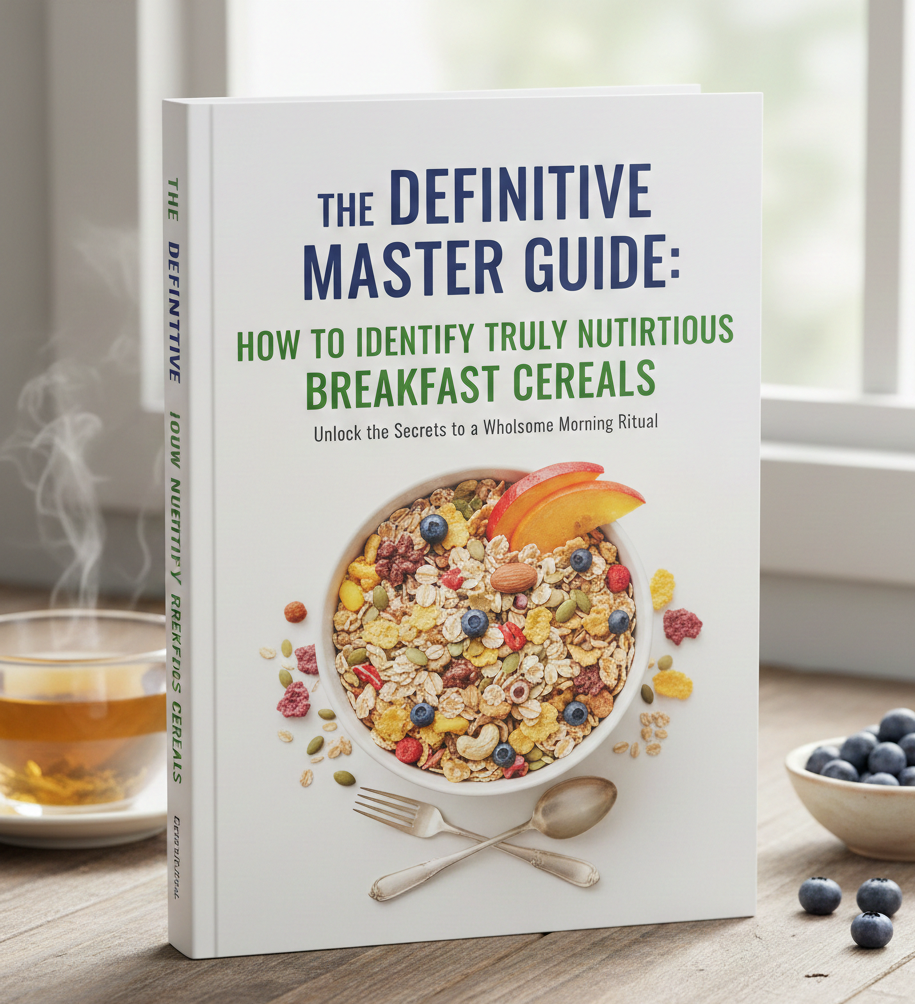
The Definitive Master Guide How to Identify Truly Nutritious Breakfast Cereals
For over a century, the breakfast cereal box has sat at the center of the kitchen table. It is a cultural icon in North America and Europe. However, from a medical and fitness perspective, the cereal aisle has become a battlefield. On one side, you have massive corporations using sophisticated “food science” to make products as addictive as possible. On the other side, you have consumers trying to manage weight, prevent diabetes, and fuel their athletic performance.
Chapter 1: The Evolutionary and Industrial History of Cereal
To understand why modern cereal is often unhealthy, we must look at where it came from. Originally, cereal was developed in the late 19th century as a “health food” in sanitariums.
1.1 The Sanitarium Origins
In the USA, pioneers like John Harvey Kellogg believed that heavily processed, bland grains would improve digestion and promote a “pure” lifestyle. Ironically, the original cereals were incredibly low in sugar.
1.2 The Industrial Shift
After World War II, the food industry discovered that adding sugar and using “extrusion” (blowing grains through high-pressure machines) made cereal cheaper to produce and more appealing to children. This shifted cereal from a “health food” to a “convenience dessert.”
Chapter 2: The Medical Science of the Morning Spike
When you eat a bowl of refined cereal, a complex biological chain reaction occurs. Understanding this is vital for anyone focused on fitness and longevity.
2.1 The Glycemic Index (GI) vs. Glycemic Load (GL)
- Glycemic Index: This measures how quickly a food increases blood sugar. Most cereals have a GI of 70+, which is considered “High.”
- Glycemic Load: This considers the portion size. A small bowl of cornflakes might have a moderate GL, but the average person eats 2-3 times the serving size, leading to a massive “insulin dump.”
2.2 Insulin Resistance and the Modern Epidemic
Medical experts in the UK and Canada have noted a direct correlation between the rise of ultra-processed breakfasts and Type 2 Diabetes. When you spike your insulin every morning, your cells eventually stop “listening” to the hormone. This leads to:
- Increased abdominal fat storage.
- Persistent hunger (even after eating).
- Chronic systemic inflammation.
Chapter 3: Decoding the “Health Halo” – Marketing vs. Reality
Marketing teams use “Health Halos” to trick your brain into thinking a product is healthy. Let’s deconstruct the most common terms used in the USA and UK markets.
3.1 “Made with Whole Grains”
This is a legal loophole. A manufacturer can use 90% white flour and 10% whole grain and still use this label.
- The Test: Look for the “Whole Grain Stamp” or ensure “Whole [Grain]” is the very first word on the ingredient list.
3.2 “Natural” and “Organic”
- Natural: In the USA and Canada, this term is almost entirely unregulated. A “natural” cereal can still contain high-fructose corn syrup.
- Organic: This means the grain was grown without synthetic pesticides. While better for the environment, an “Organic” cereal can still be a “Sugar Bomb.”
3.3 “Excellent Source of Vitamin D and Iron”
This is called Fortification. Because the refining process strips away the natural vitamins, companies spray synthetic vitamins onto the cereal at the end.
- The Truth: It is always medically superior to get vitamins that are “bound” to the fiber of a whole food rather than sprayed onto a processed flake.
Chapter 4: The Ingredient List – A Step-by-Step Deconstruction
The ingredient list is the only place where the manufacturer has to tell the truth. Here is how to read it from top to bottom.
4.1 The First Three Ingredients Rule
In the UK and USA, ingredients are listed by weight.
- First Ingredient: Must be a whole grain (Oats, Barley, Quinoa, Whole Wheat).
- Second Ingredient: Should be a protein or another grain (Nuts, Seeds).
- Third Ingredient: If this is sugar or oil, put the box back.
4.2 The “Sugar Alias” Dictionary
To help you rank and stay informed, here is a list of the 10 most common “secret” names for sugar found in Canadian and American cereals:
- Maltodextrin: A high-GI starch used as a filler.
- Cane Crystals: Just another word for white sugar.
- Fruit Juice Concentrate: Sounds healthy, but it’s just fruit sugar without the fiber.
- Barley Malt: A sugar derived from barley.
- Dextrose: Pure glucose.
- High Fructose Corn Syrup (HFCS).
- Honey/Agave: Natural, but still spikes insulin.
- Rice Syrup.
- Molasses.

10 Top Mediterranean Foods for Lunch
- Sucrose.
Chapter 5: The Nutrition Facts Table – The Quantitative Approach
The numbers don’t lie. Use these specific “Developer Benchmarks” when comparing boxes.
5.1 Fiber: The Metabolic Buffer
Fiber slows the absorption of sugar.
- Goal: 5 grams or more per serving.
- The Science: Fiber increases the production of short-chain fatty acids (SCFAs) in the gut, which are linked to improved immunity and lower inflammation.
5.2 Sodium: The Silent Inflammatory
Many people don’t realize that cereal is a “salty” food.
- Goal: Less than 140mg per serving.
- Medical Impact: High sodium intake at breakfast causes water retention (edema), making you look “bloated” and increasing blood pressure during the workday.
5.3 Protein: The Satiety Factor
- Goal: 5 grams to 10 grams per serving.
- Fitness Context: If you are trying to build muscle, cereal alone is never enough. You must pair it with a high-protein milk or Greek yogurt.
Chapter 6: Deep Dive into Cereal Categories
6.1 Oats and Porridge (The Gold Standard)
Oats contain Beta-Glucan, a specific type of fiber that creates a gel-like substance in the gut.
- Steel-Cut: Best. Minimal processing.
- Rolled (Old Fashioned): Excellent. Steamed and flattened.
- Instant/Quick: Use caution. They are often pre-cooked and have a higher Glycemic Index.
6.2 Bran-Based Cereals (The Digestive Powerhouse)
Bran is the outer shell of the grain. It is virtually calorie-free because the body cannot digest it, yet it provides massive benefits for gut health.
- Key Point: Ensure the bran cereal isn’t “glued” together with high amounts of brown sugar or molasses.
6.3 Granolas and Mueslis (The Calorie Traps)
- Muesli: Typically raw oats, nuts, and dried fruit. Very healthy, but high in natural fruit sugar.
- Granola: Usually baked with oil and sugar. It is extremely “calorie-dense.” A small handful can have 250 calories.
6.4 Sprouted Grains (The New Frontier)
Sprouting a grain “awakens” the seed.
- Benefit: It reduces Phytic Acid, an “anti-nutrient” that can prevent your body from absorbing the minerals in the grain.
Chapter 7: Regional Guide – USA vs. UK vs. Canada
The rules change depending on where you live.
- United Kingdom: Look for the “Traffic Light” labeling system. Nutritious cereals should have a “Green” light for sugar and salt.
- Canada: Look for the new front-of-pack nutrition symbols that highlight foods high in saturated fat, sugar, or sodium.
- USA: Pay close attention to the “Added Sugars” line, which is now mandatory.
Chapter 8: Q&A – Common Myths and Professional Advice
Q: Is “Gluten-Free” always better for fitness? A: No. Many gluten-free cereals use corn starch or tapioca, which are “empty” calories. Only choose gluten-free if you have a medical sensitivity.
Q: What about “Kids’ Cereals” fortified with 100% of vitamins? A: This is like putting a multivitamin on a donut. The sugar content outweighs any benefit from the vitamins.
Q: How do I make cereal “Fitness Friendly”? A: Add a source of healthy fat (flaxseeds) and a source of protein (whey protein or Greek yogurt). This turns a “carb bomb” into a “balanced meal.”
Q: Are “Ancient Grains” better than Wheat? A: Grains like Farro, Spelt, and Kamut often have higher protein and mineral content than modern hybridized wheat. They are excellent choices for health longevity.
Chapter 9: Step-by-Step Summary for the Healthy Consumer
- Ignore the Front: It’s an advertisement.
- Check the Fiber: Must be >5g.
- Check the Added Sugar: Must be <5g.
- Check the First Ingredient: Must be a “Whole Grain.”
- Measure Your Portion: Don’t eat the whole box in one sitting.
Conclusion: The Path to a Better Breakfast
Choosing a nutritious cereal is one of the simplest yet most effective changes you can make for your health. By understanding the medical implications of blood sugar, the reality of food processing, and the tricks of the marketing industry, you can ensure that your first meal of the day is a foundation for a long, fit, and healthy life.

3 comments
[…] good news is this: you can lower your cholesterol through diet. What you eat every day plays a powerful role in your heart health. In many cases, changing food […]
[…] One of the most important health tips for a healthy lifestyle is to consume a balanced diet. A well-rounded diet includes fresh fruits, vegetables, whole grains, lean proteins, and healthy fats. These foods provide essential vitamins, minerals, and antioxidants that support immunity, boost energy, and prevent chronic diseases such as diabetes, heart disease, and obesity. […]
[…] style matters as much as ingredients. **Low-fat cooking methods** like **baking and grilling** and **steaming food** cut excess oil without removing flavor. Using […]