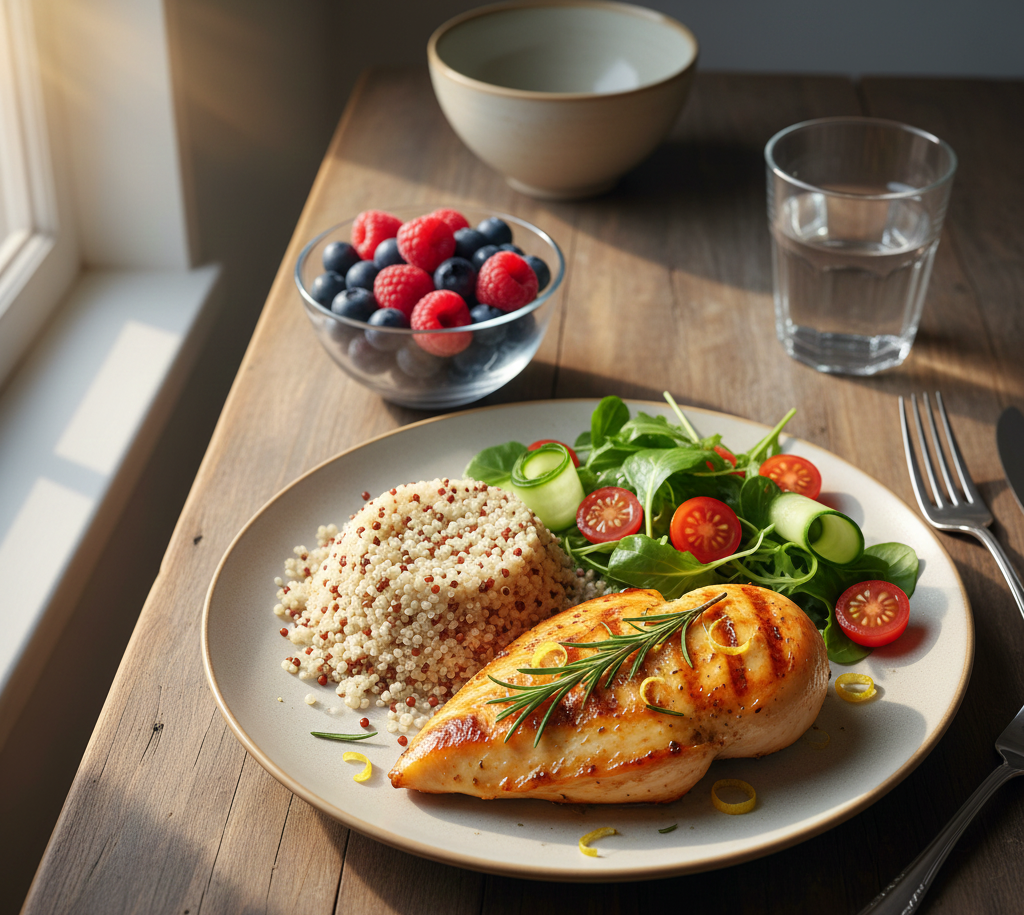
A low fat diet is one of the most recommended eating patterns for people who want to improve overall health, lose weight, or manage medical conditions such as high cholesterol, gallstones, pancreatitis, and heart disease. Unlike extreme dieting trends, a low fat diet focuses on balance rather than starvation. It limits unhealthy fats while encouraging nutrient-dense foods that support long-term wellness and sustainable energy.
In this complete guide, you’ll learn what a low fat diet really means, how many grams of fat you should eat daily, which foods to include or avoid, and how following a low fat diet can support different health conditions and improve overall well-being.
What Is a Low-Fat Diet?
A low-fat diet is an eating plan that limits the intake of total fat—especially saturated and trans fats—while emphasizing whole, natural foods such as vegetables, fruits, whole grains, lean proteins, and legumes.
What Is Considered a Low-Fat Diet?
-
Fat provides 9 calories per gram, so lowering fat reduces calorie intake.
-
Typically, 20–30% of daily calories come from fat.
-
The focus is on quality, not eliminating fat entirely.
Healthy fats are still necessary for:
-
Hormone production
-
Brain function
-
Absorption of vitamins (A, D, E, K)
What Is Considered a Low-Fat Diet in Grams?
For an average adult consuming 2,000 calories per day:
-
44–67 grams of fat per day is considered low-fat
-
Saturated fat should be less than 10% of calories
-
Trans fats should be avoided completely
Medical conditions may require even lower fat intake, especially in gallbladder or pancreas-related issues.
Benefits of a Low-Fat Diet
Supports Weight Loss
Fat is calorie-dense. Reducing fat intake helps:
-
Lower daily calories
-
Improve portion control
-
Promote fat loss over time
-
Improves Heart Health
A low-fat diet helps:
-
Reduce LDL (bad cholesterol)
-
Improve blood circulation
-
Lower the risk of heart disease and stroke
Helps Control High Cholesterol
People with high cholesterol often benefit from:
-
Reduced saturated fat
-
Increased fiber intake
-
Lean protein sources
Better Digestion
Lower fat intake reduces:
-
Acid reflux
-
Bloating
-
Digestive discomfort
Low-Fat Diet for Specific Health Conditions
Low-Fat Diet for High Cholesterol
High cholesterol is often linked to excess saturated and trans fats.
Recommended foods:
-
Oats, barley, brown rice
-
Fruits and vegetables
-
Beans and lentils
-
Skinless chicken and fish
Avoid:
-
Butter, cream, ghee
-
Processed meats
-
Fried foods
Gallstones Low-Fat Diet
Gallstones worsen with high-fat meals because fat triggers gallbladder contractions.
Best approach:
-
Small, frequent meals
-
Very low saturated fat
-
High fiber intake
Safe foods:
-
Steamed vegetables
-
Rice, toast, oats
-
Low-fat yogurt
Pancreatitis Low-Fat Diet
Pancreatitis requires strict fat control to reduce stress on the pancreas.
Daily fat intake:
-
Often 30–50 grams/day (doctor-recommended)
Best foods:
-
Boiled vegetables
-
Lean protein (fish, egg whites)
-
Non-fat dairy
Avoid alcohol completely.
Low Salt Low Fat Diet
This diet is ideal for:
-
High blood pressure
-
Heart disease
-
Kidney problems
Key principles:
-
Limit salt to less than 2,300 mg/day
-
Avoid processed and packaged foods
-
Cook meals at home
High Protein Low-Fat Diet
Perfect for:
-
Muscle maintenance
-
Weight loss
-
Recovery after illness
High-protein, low-fat foods:
-
Egg whites
-
Skinless chicken breast
-
Fish
-
Lentils and beans
-
Low-fat Greek yogurt
High Fiber Low-Fat Diet
Fiber helps:
-
Lower cholesterol
-
Improve digestion
-
Control blood sugar
Best sources:
-
Whole grains
-
Fruits
-
Vegetables
-
Legumes
Low Carb Low Fat Diet: Is It Possible?
Yes, but it requires careful planning.
Focus on:
-
Vegetables
-
Lean proteins
-
Limited whole grains
-
Avoid refined carbs
This approach works best under medical or nutritional guidance.
NHS Low-Fat Diet Guidelines
According to NHS principles:
-
Choose lean meats
-
Switch to low-fat dairy
-
Grill, bake, or steam instead of frying
-
Limit sugary and fatty snacks
The NHS promotes long-term lifestyle changes, not short-term dieting.
Foods to Eat on a Low-Fat Diet
Healthy Food List
-
Fruits: apples, bananas, berries
-
Vegetables: spinach, carrots, broccoli
-
Grains: oats, brown rice, whole wheat bread
-
Proteins: fish, chicken breast, legumes
-
Dairy: skim milk, low-fat yogurt
Foods to Avoid or Limit
-
Fried foods
-
Fast food
-
Cream, butter, ghee
-
Processed snacks
-
Sugary desserts
Sample Low-Fat Diet Meal Plan
Breakfast:
Oatmeal with fruit and skim milk
Lunch:
Grilled chicken, brown rice, salad
Snack:
Fruit or low-fat yogurt
Dinner:
Baked fish with vegetables
Common Mistakes on a Low-Fat Diet
-
Replacing fat with sugar
-
Eating “low-fat” processed foods
-
Ignoring protein intake
-
Eliminating healthy fats completely
Balance is key.
Who Should Follow a Low-Fat Diet?
✔ People with heart disease
✔ High cholesterol patients
✔ Gallstones or pancreatitis
✔ Weight-loss seekers
note Pregnant women and underweight individuals should consult a doctor.
How a Low-Fat Diet Helps With Long-Term Weight Management
One of the biggest advantages of a low-fat diet is its sustainability. Unlike crash diets, a low-fat diet allows you to eat larger portions of healthy foods without excessive calories.
Fat is calorie-dense, meaning even small amounts can significantly increase calorie intake. By reducing fat, people naturally:
-
Eat more vegetables and fiber
-
Feel full for longer
-
Avoid overeating
Over time, this leads to steady and maintainable weight loss, not sudden drops followed by regain.
Low-Fat Diet vs Low-Carb Diet: Which Is Better?
Both diets can support weight loss, but they work differently.
Low-Fat Diet
-
Focuses on calorie reduction
-
Allows carbohydrates like whole grains and fruits
-
Easier to follow long-term
Low-Carb Diet
-
Reduces carbohydrates significantly
-
Often higher in fat and protein
-
Can be harder to maintain
For most people, especially those with heart conditions or cholesterol issues, a low-fat diet is safer and more balanced.
Understanding Healthy Fats vs Unhealthy Fats
Not all fats are bad. The goal of a low-fat diet is to reduce unhealthy fats, not eliminate all fats.
Unhealthy Fats to Avoid
-
Saturated fats (butter, ghee, cream)
-
Trans fats (bakery items, margarine)
-
Fried and processed foods
Healthy Fats (in small amounts)
-
Olive oil
-
Nuts and seeds
-
Avocado
Even on a low-fat diet, small amounts of healthy fats support brain and hormone health.
Low-Fat Diet for Women
Women often benefit from a low-fat diet due to:
-
Hormonal balance
-
Reduced risk of heart disease
-
Improved digestion
For women trying to lose weight, a low-fat diet combined with:
-
Light exercise
-
Proper hydration
-
Adequate protein
can improve energy levels without extreme restrictions.
Low-Fat Diet for Men
Men with:
-
High cholesterol
-
Belly fat
-
High blood pressure
often see positive results with a low-fat diet. It helps reduce visceral fat and supports cardiovascular health.
Adding strength training while following a high-protein low-fat diet gives the best results.
Low-Fat Diet and Mental Health
Diet affects mental well-being more than many people realize.
A balanced low-fat diet:
-
Stabilizes blood sugar
-
Reduces inflammation
-
Improves gut health
This can help reduce:
-
Fatigue
-
Brain fog
-
Mood swings
Extremely low-fat or restrictive diets should be avoided, as they may negatively impact mental health.
Low-Fat Diet and Digestive Health
High-fat meals are harder to digest and often cause:
-
Acid reflux
-
Indigestion
-
Bloating
A low-fat, high-fiber diet allows the digestive system to function smoothly and comfortably, especially for people with:
-
IBS
-
Acid reflux
-
Gallbladder issues
Low-Fat Diet Grocery Shopping Tips
When shopping for a low-fat diet:
✔ Read nutrition labels
✔ Choose fresh foods
✔ Avoid packaged snacks
✔ Buy lean protein cuts
Look for foods labeled:
-
“Low fat”
-
“Fat-free”
-
“Lean”
But always check sugar content, as some low-fat foods contain added sugar.
Eating Out on a Low-Fat Diet
Eating outside doesn’t mean your diet fails.
Smart choices include:
-
Grilled instead of fried
-
Sauces on the side
-
Steamed vegetables
-
Baked fish or chicken
Avoid creamy sauces, cheese toppings, and deep-fried items.
Low-Fat Diet for Older Adults
As metabolism slows with age, a low-fat diet helps:
-
Prevent weight gain
-
Protect the heart
-
Improve digestion
Older adults should ensure:
-
Adequate protein intake
-
Enough calcium and vitamin D
-
Balanced meals
Low-Fat Diet Myths (Debunked)
Myth 1: Low-fat means no taste
Truth: Herbs, spices, and cooking methods add flavor
Myth 2: All fats are bad
Truth: Healthy fats are essential in small amounts
Myth 3: Low-fat diets cause weakness
Truth: Proper protein and carbs provide energy
How to Transition Into a Low-Fat Diet
Instead of sudden changes:
-
Reduce fried food gradually
-
Switch to low-fat dairy
-
Start cooking at home
-
Increase vegetable intake
Slow changes lead to long-term success.
Low-Fat Diet and Physical Activity
For best results, pair your diet with:
-
Walking (30 minutes daily)
-
Light strength training
-
Stretching or yoga
Exercise improves fat metabolism and overall health.
Is a Low-Fat Diet Safe for Everyone?
Most people can safely follow a low-fat diet. However:
-
Pregnant women
-
Underweight individuals
-
Athletes
should consult a healthcare professional to ensure adequate nutrient intake.
Long-Term Sustainability of a Low-Fat Diet
The biggest strength of a low-fat diet is that it’s easy to maintain.
There are no extreme restrictions, making it suitable for lifelong healthy eating.
Consistency matters more than perfection.
Final Conclusion
A low-fat diet is a powerful, science-backed approach to improving health, managing weight, and preventing chronic disease. It works especially well for people dealing with high cholesterol, gallstones, pancreatitis, and heart conditions.
When combined with whole foods, adequate protein, fiber, and an active lifestyle, a low-fat diet becomes more than a diet—it becomes a healthy way of life.
People also ask
-
Q: What is a low-fat diet?
A: A diet where less than 30% of daily calories come from fat. It helps manage weight and supports heart health. Low-fat does not mean no-fat; some healthy fats are essential. -
Q: Why do some conditions need lower fat intake?
A: Conditions like pancreatitis or gallstones require reduced fat. Fat can stress these organs. Low-fat helps prevent pain or inflammation. -
Q: How many grams of fat per day is low for a 2000-calorie diet?
A: Around 55–66 grams; clinical cases may require 30–50 grams. It ensures safety while meeting nutrient needs. Tracking helps maintain consistency. -
Q: Give an example of healthy fat allowed.
A: Avocado, flaxseeds, or walnuts in small amounts. They support heart and brain health. Always balance with lean meals. -
Q: Why check fat-free processed foods?
A: Many add sugar to replace flavor lost from fat. This can raise calories and affect blood sugar. Reading labels ensures healthy choices. -
Q: Name two benefits of a low-fat diet.
A: Improves heart health and reduces cholesterol. Helps in weight management. Supports overall organ function. -
Q: Role of soluble fiber in low-fat diet?
A: Binds cholesterol in the gut and removes it. Helps maintain blood cholesterol levels. Also supports digestion. -
Q: Name a suitable cooking technique.
A: Steaming, poaching, or air frying. Reduces added fat. Preserves flavor and nutrients. -
Q: Why is hydration important?
A: Fiber needs water to move through digestion. Prevents constipation. Supports metabolism and satiety. -
Q: Can low-fat diets help weight loss?
A: Yes, by lowering calorie density. Encourages healthier food choices. Helps maintain long-term energy balance
Proteins & Meals
-
Q: Name three lean protein sources.
A: Chicken breast, white fish, tofu. Low in saturated fat. Supports muscle and tissue health. -
Q: How many egg yolks per week?
A: 3–4 yolks; egg whites can be eaten freely. Limits saturated fat. Provides protein safely. -
Q: Name a plant-based protein.
A: Lentils or chickpeas. Low in fat and high in fiber. Supports digestive health. -
Q: Allowed dairy products?
A: Skimmed milk, low-fat yogurt, or cottage cheese. Provides protein and calcium. Avoids excess saturated fat. -
Q: Benefit of high-protein low-fat diet?
A: Builds muscle without extra calories from fat. Helps in body recomposition. Supports metabolism. -
Q: Why control portions?
A: Excess calories cause weight gain even from low-fat foods. Keeps energy balance. Promotes sustainable diet habits. -
Q: Low-fat fish examples?
A: Cod, tilapia, or white fish. Low in saturated fat. High in protein and omega-3s. -
Q: Can nuts be included?
A: Yes, small unsalted portions. Provides healthy fats and protein. Avoid overeating. -
Q: Low-fat breakfast idea?
A: Egg-white omelet with vegetables and whole-grain toast. High in protein and fiber. Low in saturated fat. -
Q: Why prefer lean meat over red meat?
A: Red meat is higher in saturated fat. Lean meat reduces heart disease risk. Supports cholesterol control.
Vegetables, Fruits & Grains
-
Q: Name three low-fat vegetables.
A: Broccoli, spinach, peppers. Naturally low in fat. High in vitamins and fiber. -
Q: Are all fruits allowed?
A: Yes, fresh fruits are naturally low-fat. Provide fiber and vitamins. Limit processed fruits with added sugar. -
Q: Whole-grain food examples?
A: Brown rice, oats, whole-grain bread. Low in fat, high in fiber. Supports digestion and satiety. -
Q: Why avoid fried breads?
A: High in saturated and trans fats. Increases heart disease risk. Lowers diet quality. -
Q: Benefit of cruciferous vegetables?
A: High in fiber and vitamins. Low in fat. Support heart and digestive health. -
Q: How do herbs help?
A: Add flavor without fat. Enhance taste and aroma. Reduce need for sauces or oil. -
Q: Low-fat snack options?
A: Fresh fruit, low-fat yogurt, unsalted nuts. Maintain satiety. Avoid excess sugar or fat. -
Q: Can legumes be included?
A: Yes, beans, lentils, and chickpeas. High protein and fiber. Low in saturated fat. -
Q: Grains to avoid?
A: Pastries, croissants, doughnuts. High in fat and calories. Reduce diet quality. -
Q: Why is fiber important?
A: Adds bulk, keeps you full longer. Helps remove cholesterol. Supports digestion.
:Special Conditions & Tips
-
Q: Low-fat diet and gallstones?
A: Reduces gallbladder contraction. Prevents pain and inflammation. Supports digestion. -
Q: Low-fat diet and pancreatitis?
A: Reduces pancreas workload. Prevents flare-ups. Includes low-fat foods like egg whites. -
Q: Fats to avoid for cholesterol?
A: Saturated and trans fats. Found in red meat and processed foods. Increase heart disease risk. -
Q: Fat substitutes for cooking?
A: Lemon juice, vinegar, vegetable stock. Adds flavor without fat. Healthy alternative. -
Q: Eating out tips?
A: Choose grilled or steamed options. Request sauces on the side. Fill plate with vegetables. -
Q: Importance of meal planning?
A: Prevents high-fat relapses. Supports consistency. Helps track nutrition. -
Q: Low-fat + low-carb possible?
A: Yes, with non-starchy vegetables and lean proteins. Requires discipline. Helps weight loss. -
Q: 3-3-3 rule meaning?
A: 3 grams of fat per 100 calories = low-fat. Guides healthy food choices. Easy to track. -
Q: Why avoid processed “low-fat” foods blindly?
A: May contain high sugar. Can increase calories. Check labels for safety. -
Q: Tip to make low-fat meals flavorful?
A: Use herbs, spices, or steaming techniques. Avoid excess oil. Enhances taste naturally.-9.

3 comments
[…] a low fat diet is one of the most effective ways to support long-term wellness, stable energy, and disease […]
[…] a traditional food pyramid, foods like grains and carbohydrates sit at the base, while protein and fats appear near the top, suggesting they should be eaten in smaller […]
[…] earned the top spot in health rankings for seven years in a row, and it’s easy to see why. Unlike fad diets that come and go, this eating pattern focuses on whole, natural foods that nourish the body and […]